Custom Peptides
Gip Peptide has years of expertise


Quotes for larger research product orders
Custom Peptides
Gip Peptide has years of expertise
Proper identification and storage are fundamental aspects of laboratory research involving peptide materials. A clearly labeled BPC-157 Peptide Vial 10mg helps researchers manage samples accurately throughout receiving, storage, preparation, documentation, and retrieval. Beyond identifying the compound, the information displayed on the vial supports organization, traceability, and standardized laboratory procedures.
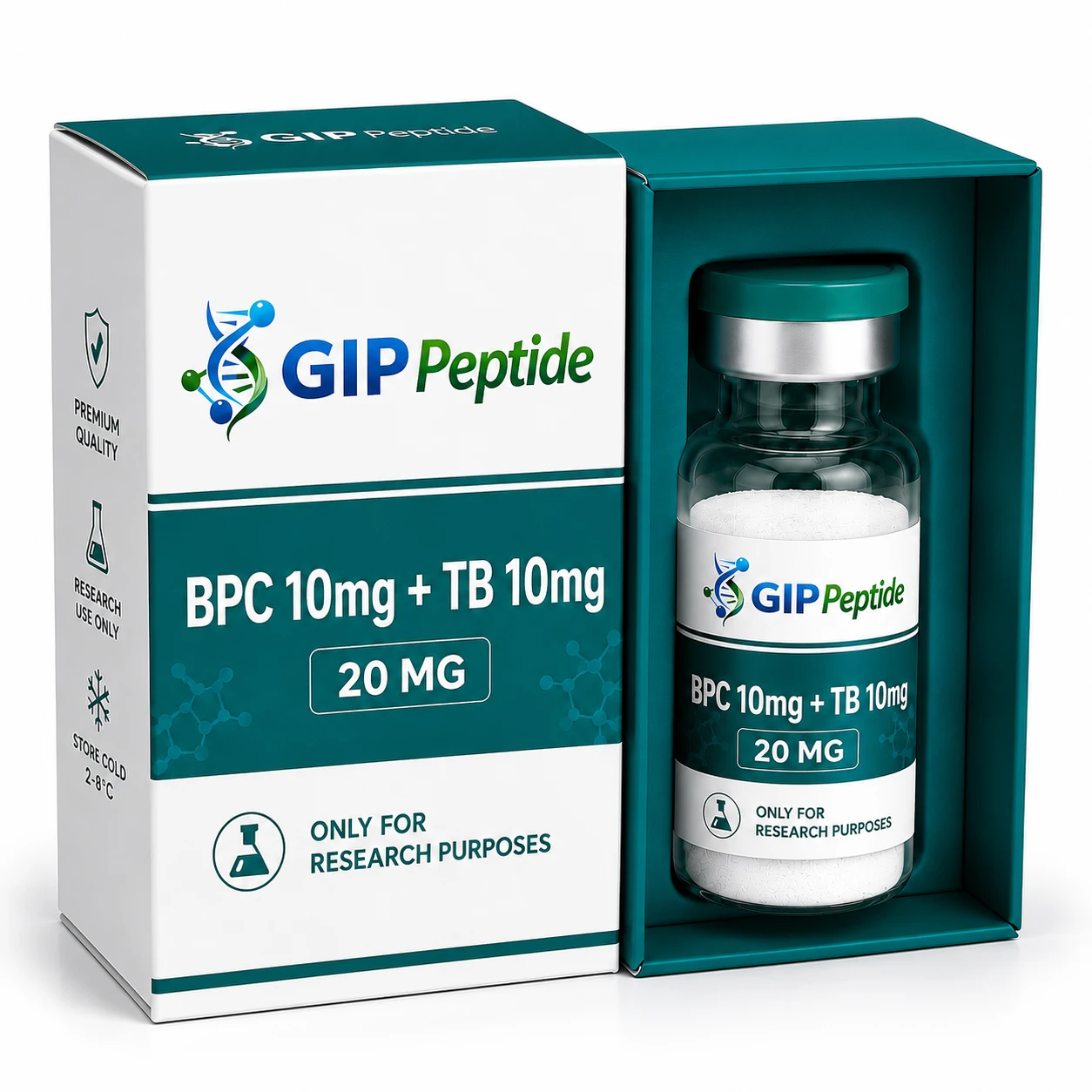
The vial shown includes several important details, including the product name, quantity, physical form, storage requirement, research-use designation, lot number, and expiration date. Together, these elements create a practical labeling system that helps laboratories maintain consistent handling practices while reducing the possibility of identification errors.
In laboratories where multiple peptides and research materials are stored together, clear labeling simplifies day-to-day operations. Staff members often need to identify samples quickly without referring to additional paperwork or electronic inventory records.
A well-designed label allows researchers to confirm important information at a glance, including:
Providing this information directly on the vial improves efficiency while supporting accurate inventory management throughout the sample’s lifecycle.
One of the most important pieces of information displayed on the vial is the storage instruction. Temperature recommendations are included because they influence how the material should be managed from the moment it arrives in the laboratory until it is used or archived.
When a peptide vial specifies frozen storage conditions, laboratories typically incorporate those requirements into their receiving procedures, inventory systems, freezer organization, and routine handling practices. Consistently following labeled storage guidance helps maintain standardized laboratory workflows and reduces the likelihood of avoidable handling errors.
Research laboratories frequently process numerous samples during a single project. Standardized labeling contributes to smoother workflows by allowing personnel to identify materials rapidly during routine tasks.
A properly labeled vial supports several operational activities, including:
Because each stage depends on accurate sample identification, consistent labeling becomes an essential part of laboratory organization rather than simply a packaging feature.
Every field printed on a peptide vial serves a practical purpose within laboratory operations.
The compound name establishes product identity, while the quantity allows researchers to distinguish between different vial sizes. Identifying the material as a lyophilized powder communicates its physical form, and the research-use statement clarifies the intended laboratory setting.
Additional traceability fields, including the lot number and expiration date, support inventory management and allow laboratories to associate individual samples with purchasing records, internal documentation, and experimental data when necessary.
Displaying the amount contained within each vial contributes to efficient inventory management.
When laboratories maintain multiple vial sizes of similar compounds, clearly identifying the quantity helps researchers select the appropriate material while reducing confusion during stock reviews and inventory audits.
Visible quantity markings also improve communication among laboratory personnel by providing a standardized reference that can be used across inventory systems, freezer maps, and research documentation.
Accurate recordkeeping is a key component of scientific research. Information such as lot numbers and expiration dates supports traceability throughout the laboratory workflow.
These identifiers allow research teams to:
Maintaining traceable inventory records contributes to consistent laboratory management and helps ensure that research materials remain properly documented throughout their use.
Standard operating procedures become easier to implement when labeling is consistent across research materials. Rather than relying on memory, laboratory personnel can reference the information printed directly on each vial when determining storage location, identifying the sample, or recording inventory movements.
Clear labels also support collaboration between receiving staff, laboratory technicians, quality personnel, and researchers by providing the same essential information to every member of the team. This consistency helps reduce misunderstandings and promotes organized laboratory workflows.
The statement “For Research Use Only” provides immediate context regarding the intended purpose of the material. Within laboratory settings, this designation assists with classification, storage organization, and handling procedures while distinguishing research materials from products intended for other purposes.
Including this statement directly on the vial reinforces proper handling practices and supports standardized laboratory documentation.
A BPC-157 Peptide Vial 10mg serves not only as a container for research material but also as an important source of operational information. Clear product identification, quantity marking, physical form, research-use designation, storage instructions, lot tracking, and expiration information all contribute to effective laboratory organization.
When laboratories consistently use well-labeled peptide materials and integrate that information into their inventory systems and handling procedures, they create more efficient workflows, improve traceability, and support reliable sample management throughout the research process.