Custom Peptides
Gip Peptide has years of expertise
Quotes for larger research product orders
Custom Peptides
Gip Peptide has years of expertise
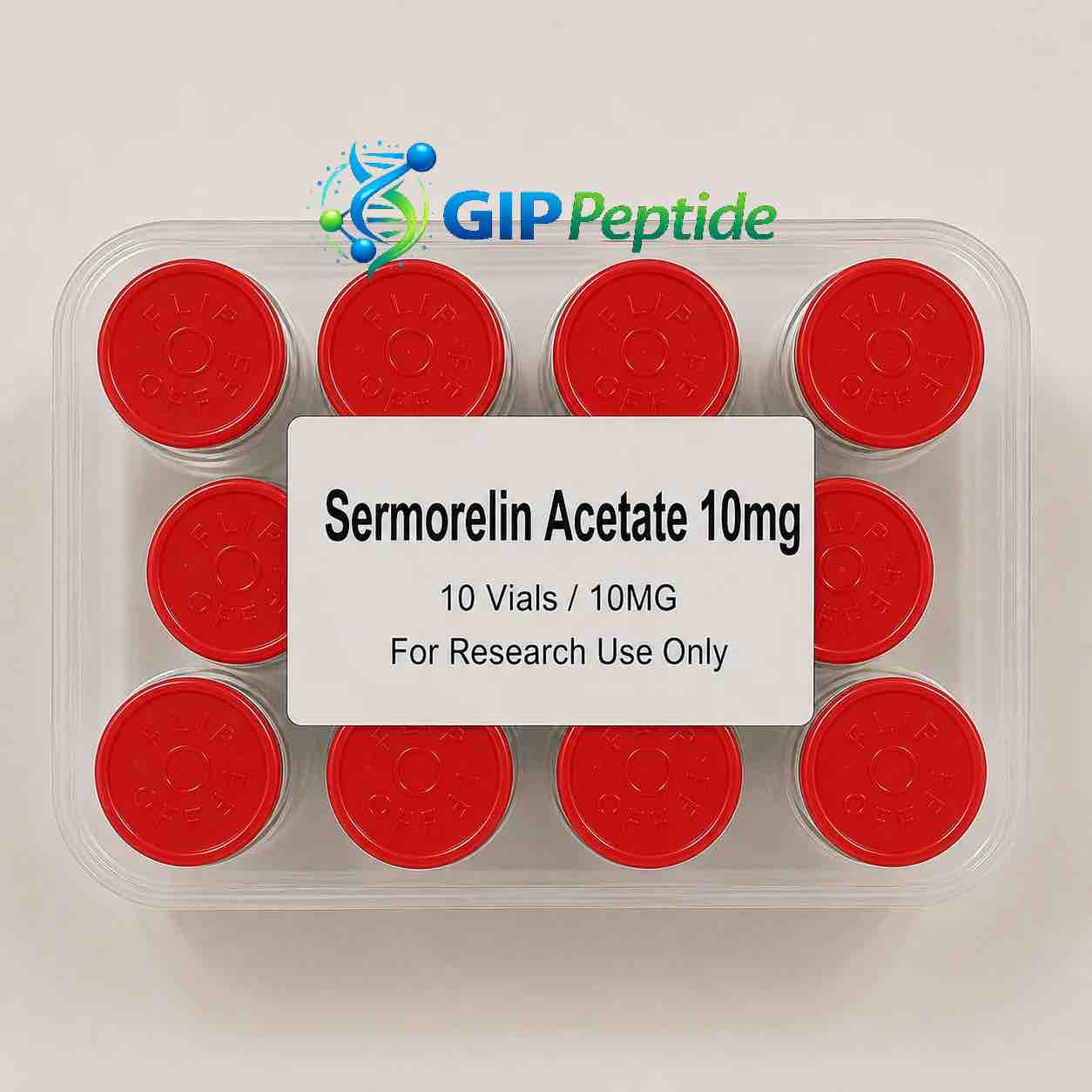
$120.00

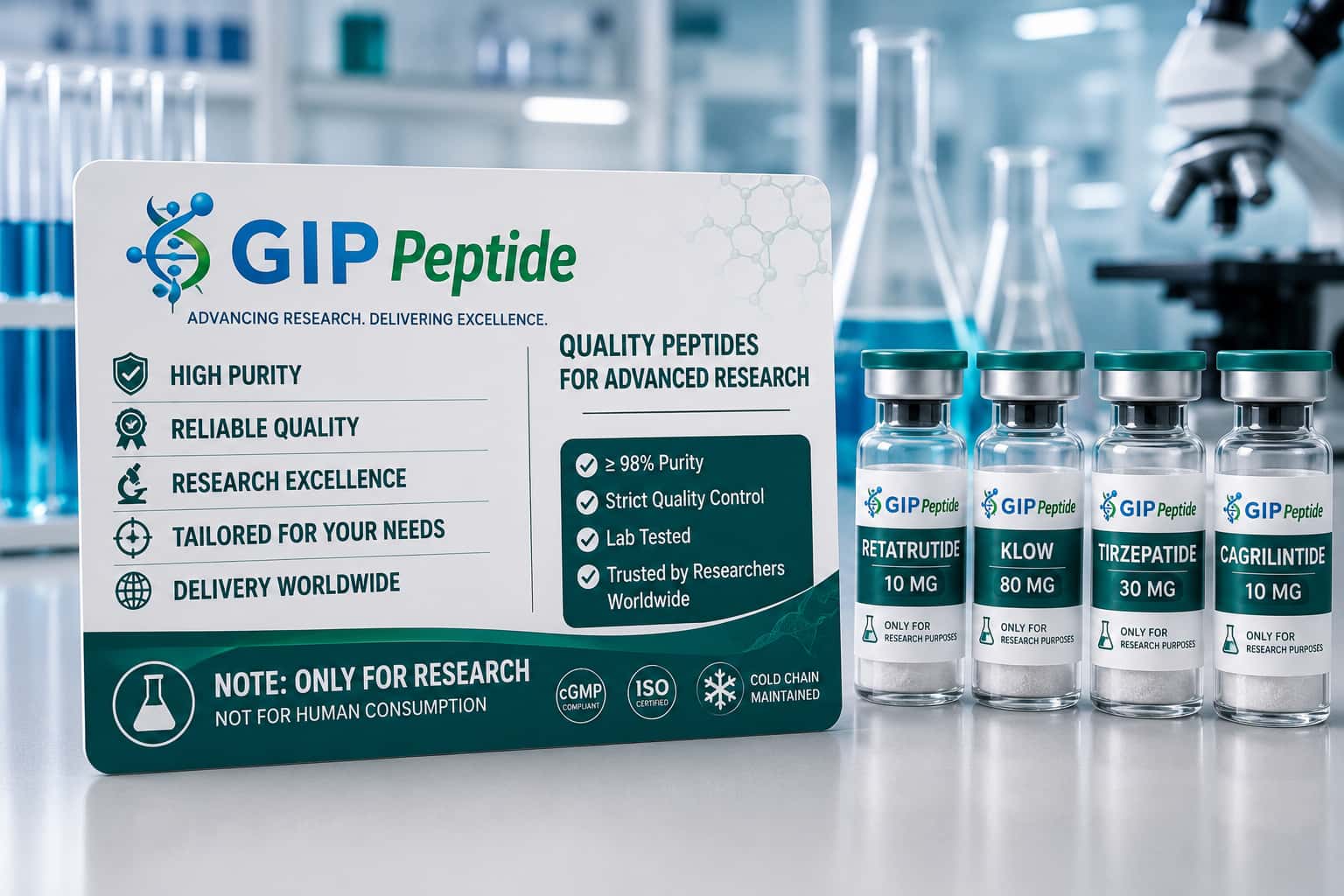
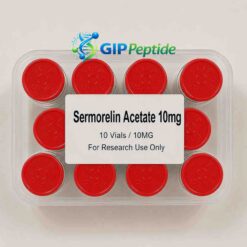
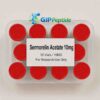
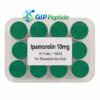
Sermorelin Acetate 10mg is a lyophilized research peptide supplied for laboratory and scientific investigation. It is widely studied for its interaction with growth hormone-releasing hormone (GHRH) receptors and its role in endocrine research.
Researchers looking for information about reconstitute 10mg sermorelin, laboratory handling, and preparation will find technical guidance throughout this page. The information provided is intended to support research planning and laboratory procedures. This product is supplied exclusively for research use and is not intended for human or veterinary use.
Sermorelin is a synthetic peptide composed of the first 29 amino acids of naturally occurring growth hormone-releasing hormone. It is commonly investigated in laboratory settings to better understand hormone signaling pathways, pituitary function, and endocrine regulation.
The lyophilized format is selected because it supports product stability during storage and transportation before laboratory preparation.
Reconstitution is the process of dissolving the lyophilized peptide with an appropriate sterile laboratory diluent before experimental use.
Researchers commonly use bacteriostatic water or another validated laboratory diluent when preparing peptide solutions. The amount of diluent selected depends on the desired concentration required for the study protocol rather than the peptide itself.
To help maintain peptide quality:
Proper preparation helps support consistent sample handling throughout a research project.
Laboratory preparation should follow established sterile handling procedures.
Recommended practices include:
Correct storage supports peptide stability during laboratory research.
General recommendations include:
Laboratories should always follow their internal storage protocols and quality management systems.
Dosing & Protocol
Experimental dosing varies according to individual research objectives and study design.
There is no universally accepted research protocol for Sermorelin peptide studies. Researchers determine concentration, preparation volume, observation period, and laboratory procedures according to the goals of each investigation.
This information is provided for scientific reference only and should not be interpreted as medical, therapeutic, or prescribing guidance.
Sermorelin continues to be investigated in several areas of peptide science and endocrine research.
Current research interests include:
These subjects remain active areas of scientific investigation.
Depending on research objectives, Sermorelin may be evaluated alongside other research peptides to study complementary biological pathways.
Examples include:
Each peptide has distinct biological characteristics and should be assessed independently within properly designed laboratory studies.
Reference Literature Focus
Published research has examined Sermorelin in studies involving growth hormone-releasing hormone activity, receptor binding, endocrine signaling, peptide stability, and laboratory pharmacology.
Scientific literature continues to expand understanding of peptide behavior under controlled research conditions while evaluating preparation methods and biological responses.
Research protocols commonly document:
Careful documentation supports consistency and reproducibility across scientific investigations.
Proper laboratory handling helps maintain sample quality throughout research.
Recommended practices include:
Each production batch should undergo quality assessment before release for laboratory research.
Testing may include:
Researchers are encouraged to review available Certificate of Analysis documentation before beginning laboratory studies.
This peptide is intended exclusively for laboratory research. Scientific literature continues to investigate its biological activity under controlled experimental conditions.
Research findings may vary depending on study design, preparation methods, concentration, and experimental models.
Standard laboratory safety procedures should always be followed when handling research peptides.
Recommended practices include:
This product is intended solely for laboratory research.
It is not approved for human consumption, veterinary use, diagnosis, treatment, or prevention of any disease.
Only qualified laboratory personnel should handle this material.
Current scientific research continues to evaluate how Sermorelin behaves within controlled laboratory environments and how it may interact with other peptide compounds during experimental investigations.
Study outcomes depend on protocol design, research conditions, and analytical methods.
Sermorelin Acetate 10mg is supplied exclusively for laboratory and scientific research.
This product is not intended for human or veterinary use. It should be handled only by qualified research personnel operating in accordance with applicable laboratory regulations, institutional policies, and established safety procedures.
Anti-Aging & Longevity

All GIP PEPTIDE



Reviews
There are no reviews yet.