What Is Retatrutide 10mg?
Overview
Retatrutide 10mg peptide is an investigational research peptide currently being studied for its interaction with multiple metabolic hormone receptors. Researchers are exploring its pharmacological properties to better understand its potential role in metabolic regulation. As of today, retatrutide remains an experimental compound and is intended for scientific and laboratory research only.
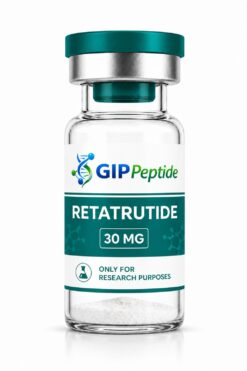
A 10mg bottle of retatrutide is commonly referenced in research settings where standardized quantities help support controlled laboratory studies and analytical testing. It should only be handled by qualified professionals following appropriate laboratory procedures.
Research Context
Retatrutide has attracted interest within the scientific community because it is being investigated as a multi-receptor peptide. Published research continues to examine its pharmacological characteristics, receptor activity, stability, and other biochemical properties.
Current literature is focused on understanding how this peptide behaves under controlled laboratory conditions. Ongoing studies continue to expand scientific knowledge, while additional research is needed before definitive conclusions can be reached.
Commonly Matched With
In scientific literature, retatrutide may be discussed alongside other investigational peptides that are being evaluated in metabolic research. These comparisons are intended solely for research purposes and should not be interpreted as recommendations for use together.
Researchers typically evaluate compounds independently according to specific study objectives and established laboratory protocols.
Compliance Notice
Retatrutide 10mg peptide is supplied exclusively for laboratory research and analytical applications where permitted by applicable laws and regulations. It is not approved for human or veterinary use, diagnosis, treatment, or prevention of any disease.
Research
Reference Literature Focus
Published studies involving retatrutide primarily investigate:
- Receptor binding characteristics
- Peptide stability
- Pharmacological mechanisms
- Metabolic pathway research
- Preclinical laboratory investigations
The available scientific literature continues to evolve as additional peer-reviewed studies become available.
Study Design Notes
Research involving retatrutide is generally conducted under carefully controlled laboratory conditions using established scientific methodologies. Study design varies depending on research objectives, including investigations into receptor activity, molecular behavior, and pharmacokinetic properties.
Results from one study should not be generalized beyond the specific experimental conditions under which they were obtained.
Laboratory Handling Reference
Peptide Handling
Proper laboratory handling helps maintain sample quality and research consistency. Researchers should use appropriate personal protective equipment (PPE), sterile laboratory techniques where applicable, and suitable analytical equipment during handling.
All procedures should follow institutional laboratory guidelines and standard operating procedures.
Preparation
Preparation methods depend on the specific research protocol being followed. Researchers should ensure that all laboratory materials, equipment, and documentation are appropriate for the intended experimental design.
Preparation procedures should always be documented to support reproducibility and quality assurance.
Storage
Proper storage is important for maintaining peptide integrity during research.
General laboratory recommendations include:
- Store according to supplier specifications.
- Protect from excessive heat, moisture, and direct light.
- Minimize unnecessary handling.
- Maintain appropriate laboratory inventory records.
- Follow laboratory quality management procedures for storage and retrieval.
Safety Observations
As an investigational research peptide, retatrutide has not been fully characterized for all safety considerations outside controlled research environments. Laboratory personnel should follow standard chemical hygiene practices and institutional safety procedures when handling the material.
Researchers should consult the relevant Safety Data Sheet (SDS), if available, before beginning laboratory work.
Contraindications
Because retatrutide is intended solely for laboratory investigation, contraindications for clinical use have not been established. The material should only be used in accordance with approved research protocols and applicable laboratory regulations.
Interaction Review
Current research continues to evaluate the biochemical interactions of retatrutide. Experimental findings depend on study design and should be interpreted within the context of controlled scientific research.
No conclusions should be drawn regarding therapeutic use based solely on experimental laboratory findings.
COA & Testing
Certificate of Analysis
Each research batch should be accompanied by a Certificate of Analysis (COA) where applicable. The COA typically documents analytical testing performed during quality control, including identification, purity assessment, and batch-specific information.
Current Catalog Summary
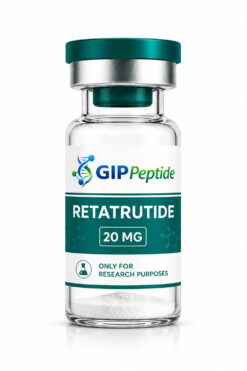
Product Name: Retatrutide 10mg Peptide
Format: Research peptide
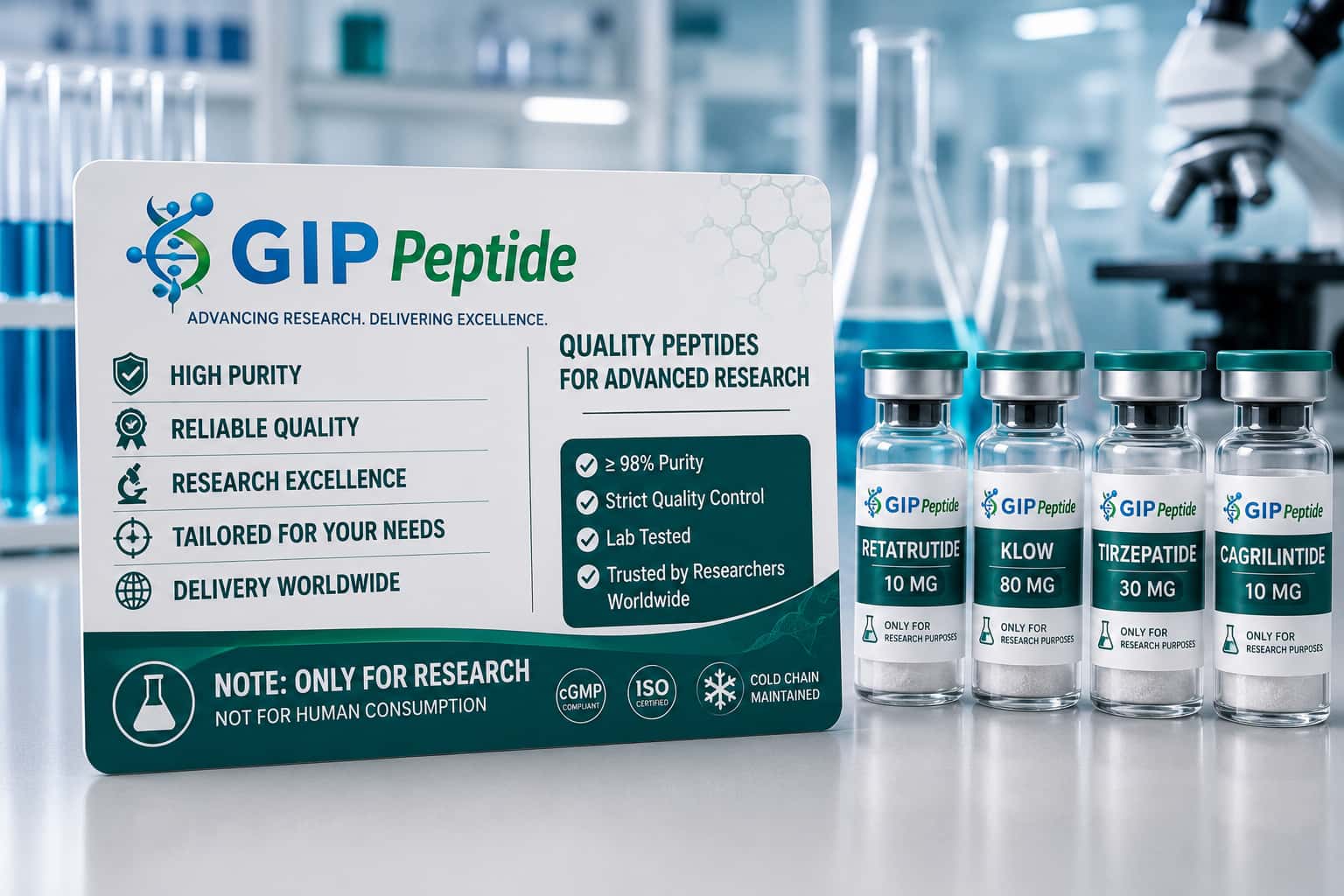
Quantity: 10 mg per vial
Intended Use: Laboratory research only
Application: Scientific investigation and analytical research
Regulatory Status: Investigational research material; not approved for human or veterinary use
Testing Checklist
Quality documentation may include:
- Batch identification
- Appearance verification
- Identity confirmation
- Purity analysis
- Laboratory documentation review
- Packaging inspection
- Storage condition verification
- Certificate of Analysis availability
Frequently Asked Questions
A 10mg bottle of retatrutide refers to a research vial containing 10 milligrams of investigational retatrutide peptide intended for laboratory research only.
No. Retatrutide remains an investigational compound and is not approved for general medical use.
Handling should be limited to qualified researchers working in appropriate laboratory environments while following institutional safety and compliance procedures.
A Certificate of Analysis helps document product identity, analytical testing, and batch quality information, supporting transparency and laboratory quality assurance.