Custom Peptides
Gip Peptide has years of expertise


Quotes for larger research product orders
Custom Peptides
Gip Peptide has years of expertise

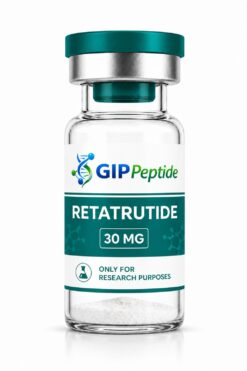

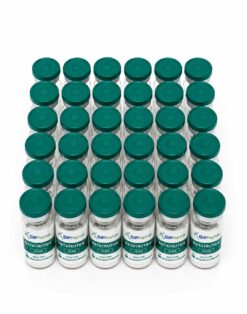
$190.00


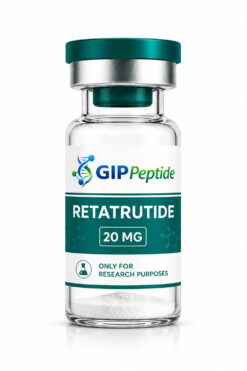
The landscape of metabolic research is shifting rapidly, and Retatrutide is at the absolute forefront of this evolution. Often referred to in scientific circles as a triple agonist or Triple G, Retatrutide represents a major leap forward from earlier single and dual-receptor peptides.
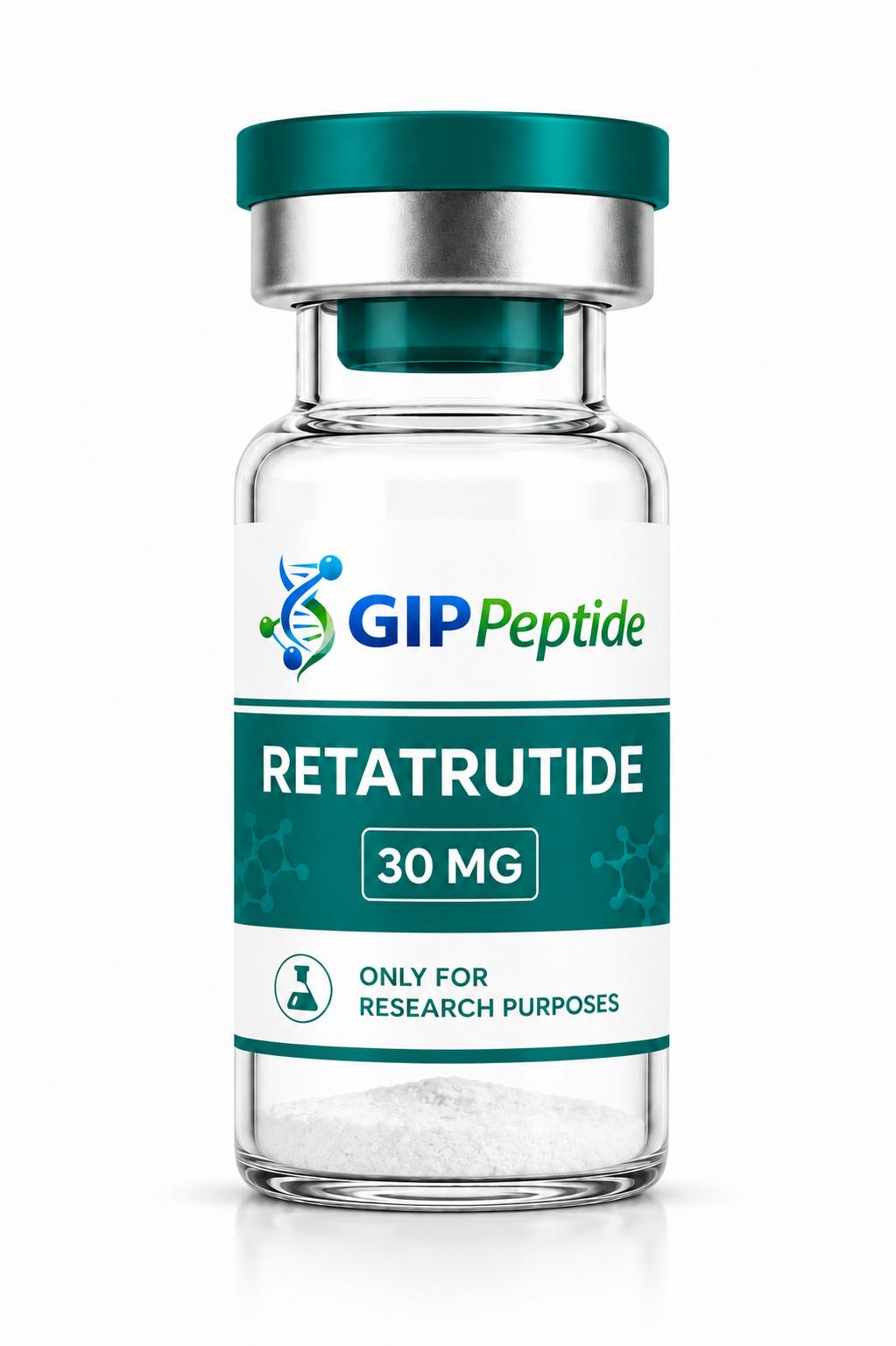
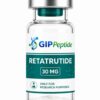
For laboratories and institutions focusing on metabolic pathways, insulin sensitivity, and advanced weight management models, the Retatrutide 30mg vial offers a high-capacity, stable format for rigorous testing.
Brand: GIP Peptide
Retatrutide is an investigational peptide engineered to target three distinct endocrine pathways simultaneously. While older generations of metabolic research focused solely on GLP-1 receptors, or dual GLP-1/GIP pathways, Retatrutide introduces a third mechanism: glucagon receptor activation.
In laboratory models, Retatrutide binds to and activates three primary receptors:
Research Status Notice: Retatrutide is currently classified as an investigational compound. It is strictly limited to in vitro laboratory testing and animal research models. It is not currently approved for human consumption or general medical use.
|
Attribute |
Specification Details |
|
Form |
Lyophilized (freeze-dried) powder |
|
Vial Capacity |
30mg |
|
Purity Level |
Highly refined (ge 98% purity standard) |
|
Target Systems |
GIP, GLP-1, and Glucagon receptors |
|
Appearance |
Uniform, solid white cake or powder |
GIP Peptide Handling Reference
Peptides are fragile, complex amino acid chains held together by delicate molecular bonds. Physical trauma such as dropping the vial, vigorous shaking, or sudden temperature spikes can easily shear these chains, rendering the peptide completely inactive. Always handle vials with care.
To prepare the lyophilized Retatrutide 30mg powder for laboratory assays, follow this careful dilution sequence:
Safety Observations
Data compiled from preclinical testing and ongoing clinical phases highlight a safety profile consistent with incretin mimetics, alongside a few unique triple-agonist traits:
Retatrutide testing is strictly counter-indicated in research models with a history of:
Combining Retatrutide with other GLP-1 or dual GIP/GLP-1 agonists is redundant and greatly compounds gastrointestinal distress. Furthermore, co-administration with insulin or sulfonylureas drastically increases the risk of severe hypoglycemia.
To maintain the highest level of research integrity, every batch of GIP Peptide Retatrutide 30mg must be verified by a third-party laboratory. A valid COA relies on two main benchmarks:
The 30mg vial size represents a premier, high-volume tier in the current research peptide catalog. This larger volume is specifically optimized for long-term, multi-week continuous testing protocols, reducing the human error and baseline variances that occur when constantly switching between smaller, lower-dose vials.
Before initializing any testing sequence with a new batch, confirm the following points:
Anti-Aging & Longevity

All GIP PEPTIDE



Reviews
There are no reviews yet.