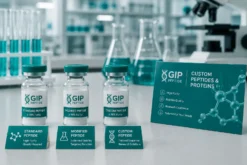
Custom Peptides
Gip Peptide has years of expertise

Quotes for larger research product orders
Custom Peptides
Gip Peptide has years of expertise
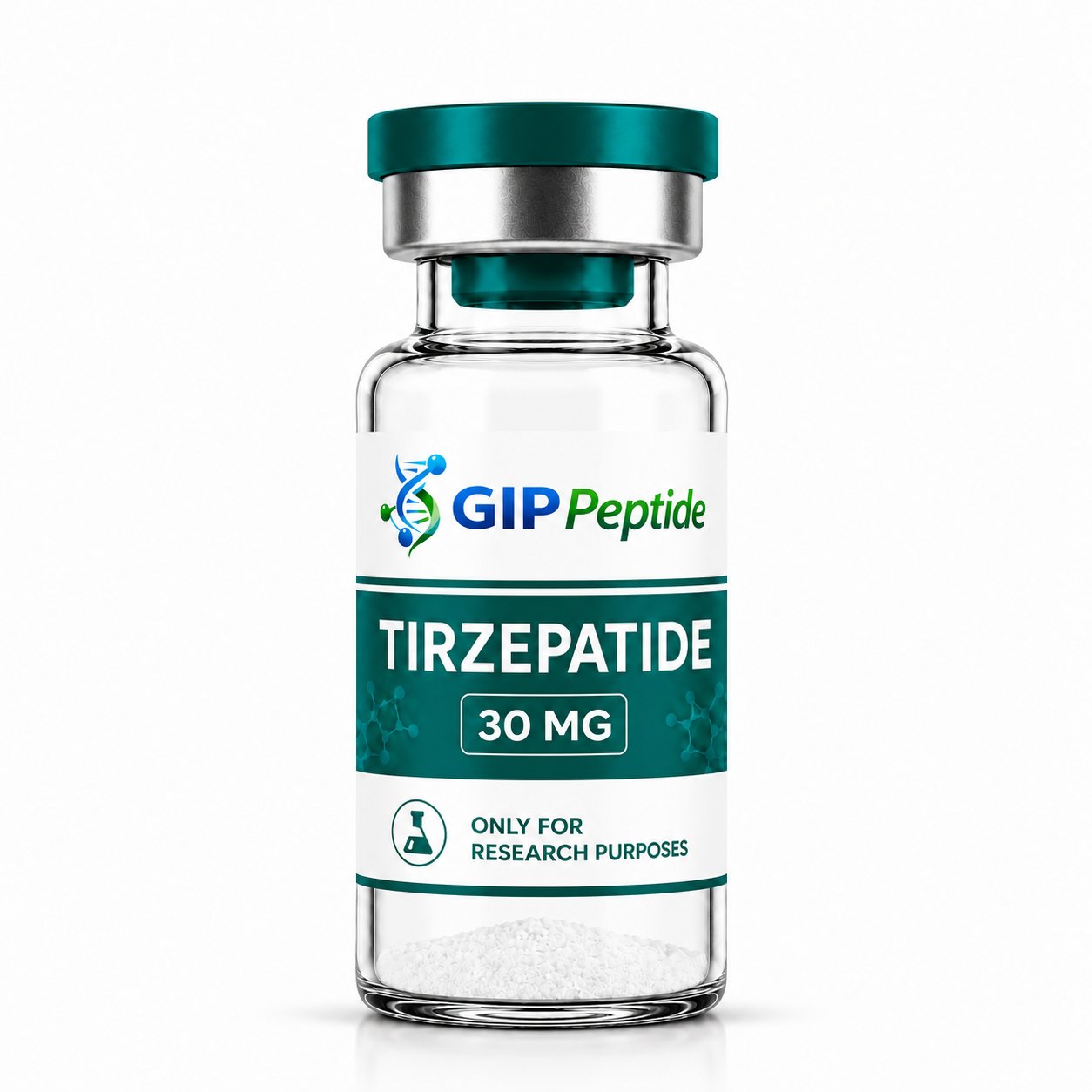
$105.00


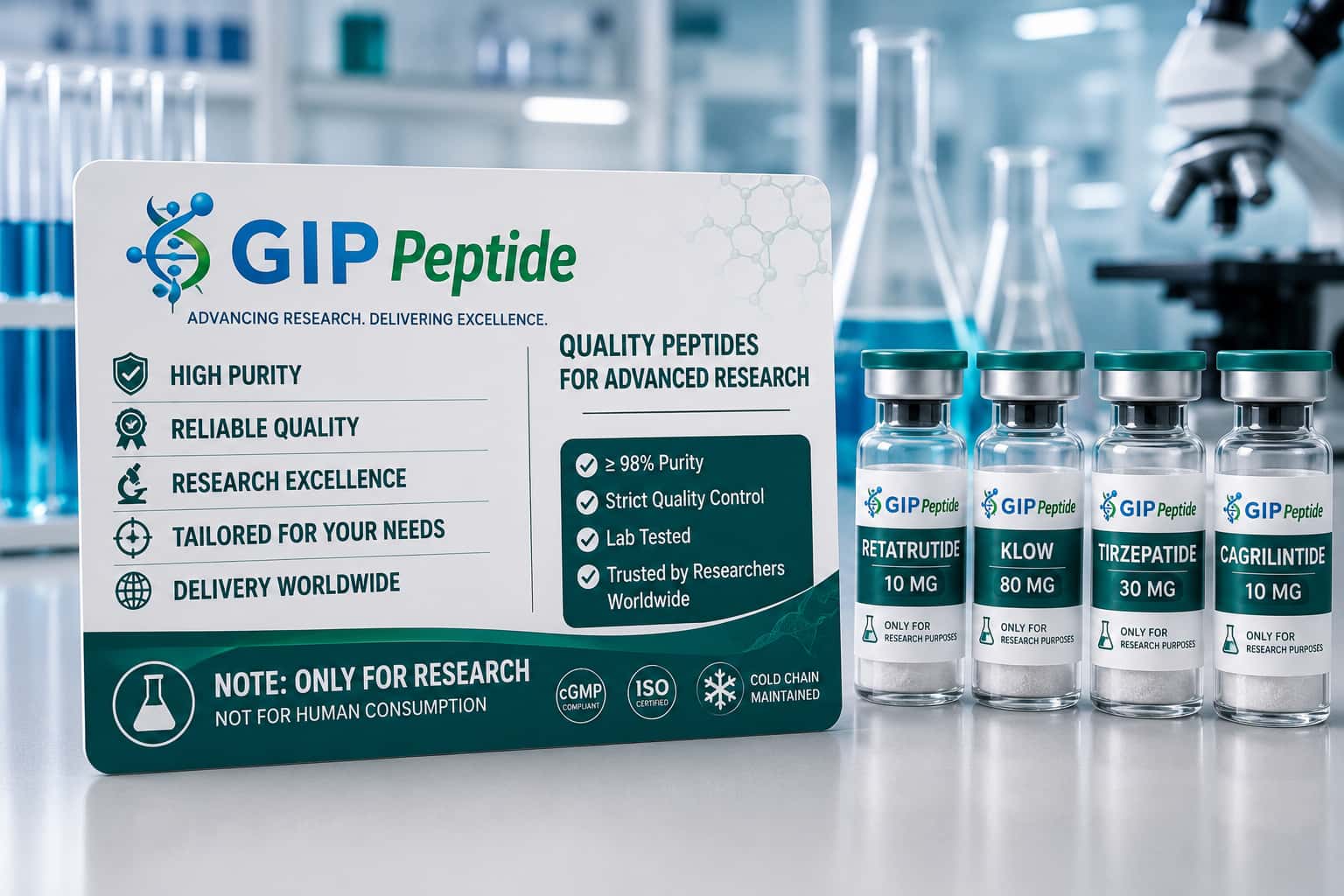
In contemporary metabolic and endocrine scientific literature, dual-receptor target agonists represent a major shift in laboratory modeling. The peptide tirzepatide 30mg format provides a high-capacity option for laboratory studies requiring extended testing protocols and consistency across repeated assays.
Designed as a dual glucose-dependent insulinotropic polypeptide (GIP) and glucagon-like peptide-1 (GLP-1) receptor agonist, this synthetic peptide enables detailed observation of glycemic control mechanisms, lipid metabolism, and cellular energy expenditure in controlled settings.
| Attribute | Specification Details |
| Form | Lyophilized (freeze-dried) powder |
| Primary Capacity | 30mg total mass |
| Purity Level | High purity standard (\ge 98\%) |
| Target Pathways | GIP and GLP-1 receptor pathways |
| Appearance | White, uniform lyophilized cake |
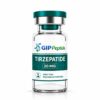
The standard laboratory presentation is a 30mg tirzepatide vial, supplied as a freeze-dried cake. This format offers maximum stability for long-term storage prior to liquid reconstitution.
In certain institutional setups, pre-measured delivery systems such as a tirzepatide 30mg pen format may be evaluated for administration efficiency and fixed-volume handling studies. However, lyophilized vials remain the standard choice for custom dilution ratios.
Reference Literature Focus
In scientific literature, research tirzepatide 30mg models focus heavily on dual incretin signaling pathways. By activating both GIP and GLP-1 receptors, research models demonstrate enhanced insulin secretion, improved insulin sensitivity, and significant delays in gastric emptying compared to single-receptor GLP-1 agonists.
In broader metabolic research projects, dual GIP/GLP-1 peptides are frequently evaluated alongside related research tools, including:
When designing long-term observational protocols, the 30mg capacity allows researchers to run continuous, multi-week trial arms without switching batch lots mid-study. This significantly reduces baseline variability and human error.
Compliance Notice: This compound is designated strictly for laboratory research, in vitro assays, and scientific evaluation. It is not approved for human consumption, direct medical treatment, or clinical use.
When referencing a tirzepatide dosage 30mg capacity, it is essential to understand that 30mg represents the total mass of the peptide inside the vial, not a single administration volume. Research protocols typically utilize smaller, incremental titrations over extended periods.
Peptides consist of precise amino acid chains linked by biological bonds. Physical shock, excessive heat, or rapid agitation can shear these bonds, causing denaturation and loss of biological function. Always handle containers with care.
Safety Observations
Observations gathered from clinical research literature indicate a primary safety profile centered around the gastrointestinal system:
Research models involving dual agonists should exclude subjects or tissue lines exhibiting:
Co-administration with other GLP-1 or GIP receptor agonists is unnecessary and increases gastrointestinal toxicity risks. Combining this compound with insulin or sulfonylureas requires careful glucose monitoring to prevent severe hypoglycemia.
Certificate of Analysis
Maintaining trial validity requires strict third-party analytical verification. Every production batch should be supported by a comprehensive Certificate of Analysis (COA) confirming:
The 30mg capacity sits at the higher end of standard catalog offerings. It is specifically tailored for institutions conducting high-throughput screening, multi-subject animal research, or long-duration metabolic studies.
Prior to introducing any reconstituted batch into an active research setting, verify the following quality criteria:
Anti-Aging & Longevity

All GIP PEPTIDE



Reviews
There are no reviews yet.