Custom Peptides
Gip Peptide has years of expertise

Quotes for larger research product orders
Custom Peptides
Gip Peptide has years of expertise
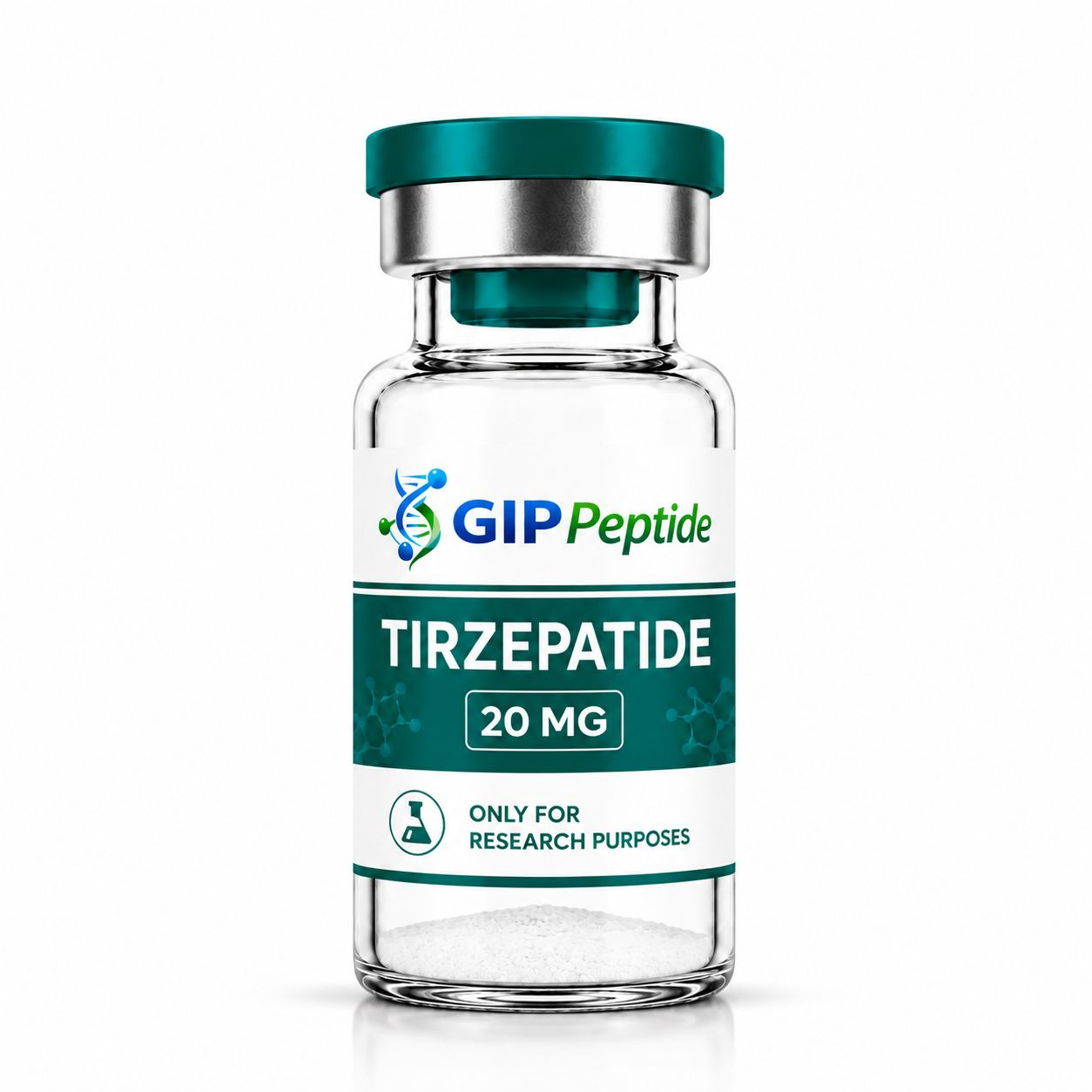
$88.00


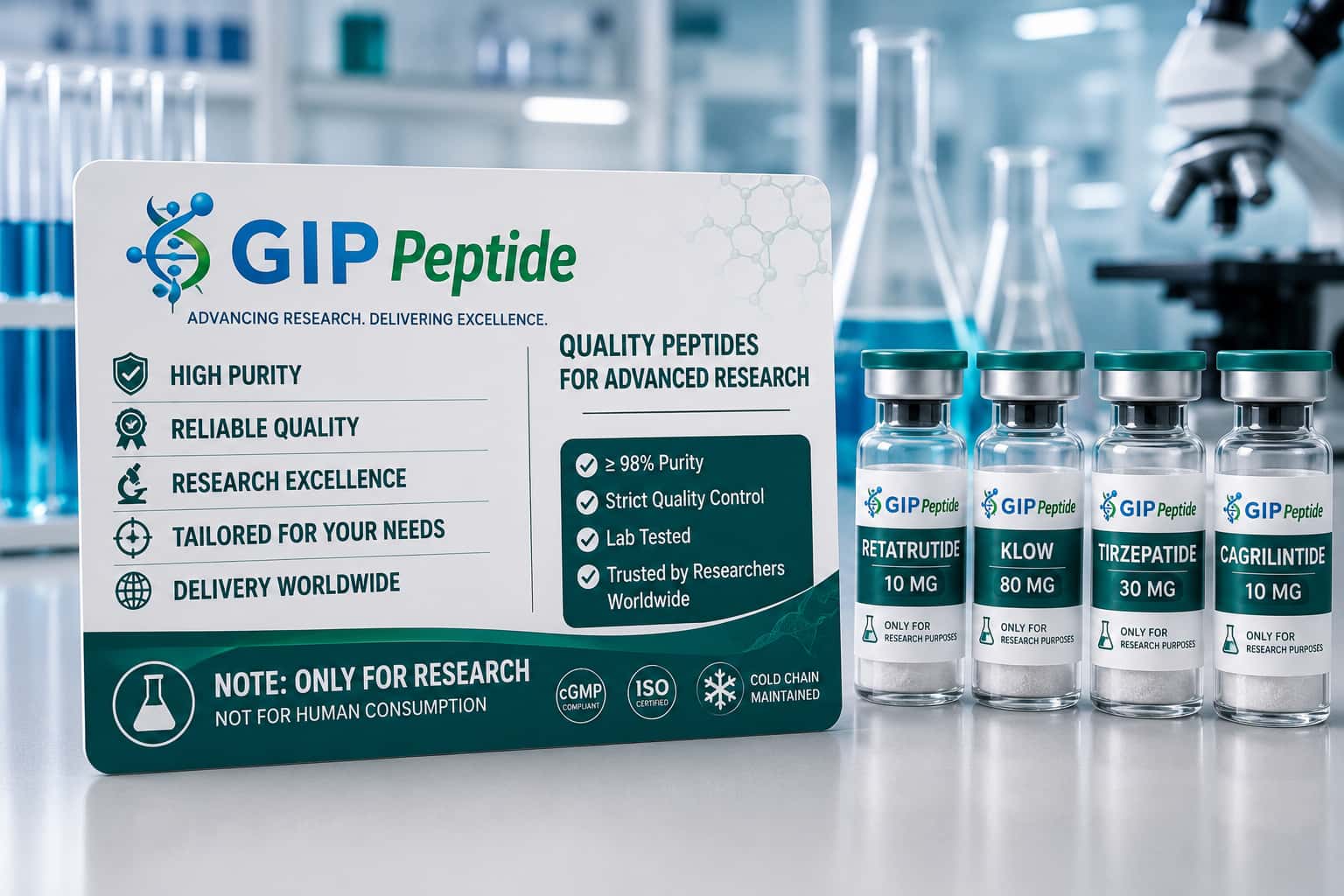
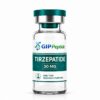
Precision is the foundation of reproducible laboratory research. In metabolic and endocrine studies, utilizing a high-capacity tirzepatide 20mg vial allows for extended testing protocols while minimizing batch-to-batch variance.
As a dual glucose-dependent insulinotropic polypeptide (GIP) and glucagon-like peptide-1 (GLP-1) receptor agonist, tirzepatide requires exact fluid math during preparation. Understanding the relationship between milligrams of powder and milliliters of liquid is essential for accurate laboratory documentation.
| Attribute | Specification Details |
| Form | Lyophilized (freeze-dried) powder |
| Vial Capacity | 20mg |
| Purity Level | Highly refined (\ge 98\% purity standard) |
| Target Systems | Dual GIP and GLP-1 receptor pathways |
| Appearance | Uniform, solid white cake or powder |
A common point of confusion in laboratory settings centers on the exact volume metrics, specifically regarding a tirzepatide 20mg ml concentration. Because a vial contains dry powder, the total volume of liquid depends entirely on how much diluent you add.
For instance, preparing a solution of tirzepatide 20mg 2ml means introducing exactly 2 milliliters of bacteriostatic water into the vial. This specific dilution yields a clear math ratio:
\text{Concentration} = \frac{20\text{ mg}}{2\text{ mL}} = 10\text{ mg/mL}
If your protocol requires a different concentration, altering the volume of liquid changes the density of the compound per milliliter without changing the total mass of the peptide.
| Diluent Added | Total Liquid Volume | Resulting Concentration |
| 1 mL | 100 Units | 20 mg per mL |
| 2 mL | 200 Units | 10 mg per mL |
| 4 mL | 400 Units | 5 mg per mL |
Lyophilized peptides are complex, delicate chains of amino acids held together by fragile molecular bonds. Harsh handling, rapid temperature shifts, or rough agitation can shear these bonds, rendering the compound biologically inactive. Learning how to mix tirzepatide 20mg properly preserves the integrity of your material.
Maintaining strict climate controls prevents premature degradation and ensures consistent laboratory results over the lifespan of the compound.
Before introducing a newly mixed batch into an assay, confirm the following parameters:
Anti-Aging & Longevity

All GIP PEPTIDE



Reviews
There are no reviews yet.