Custom Peptides
Gip Peptide has years of expertise
Quotes for larger research product orders
Custom Peptides
Gip Peptide has years of expertise
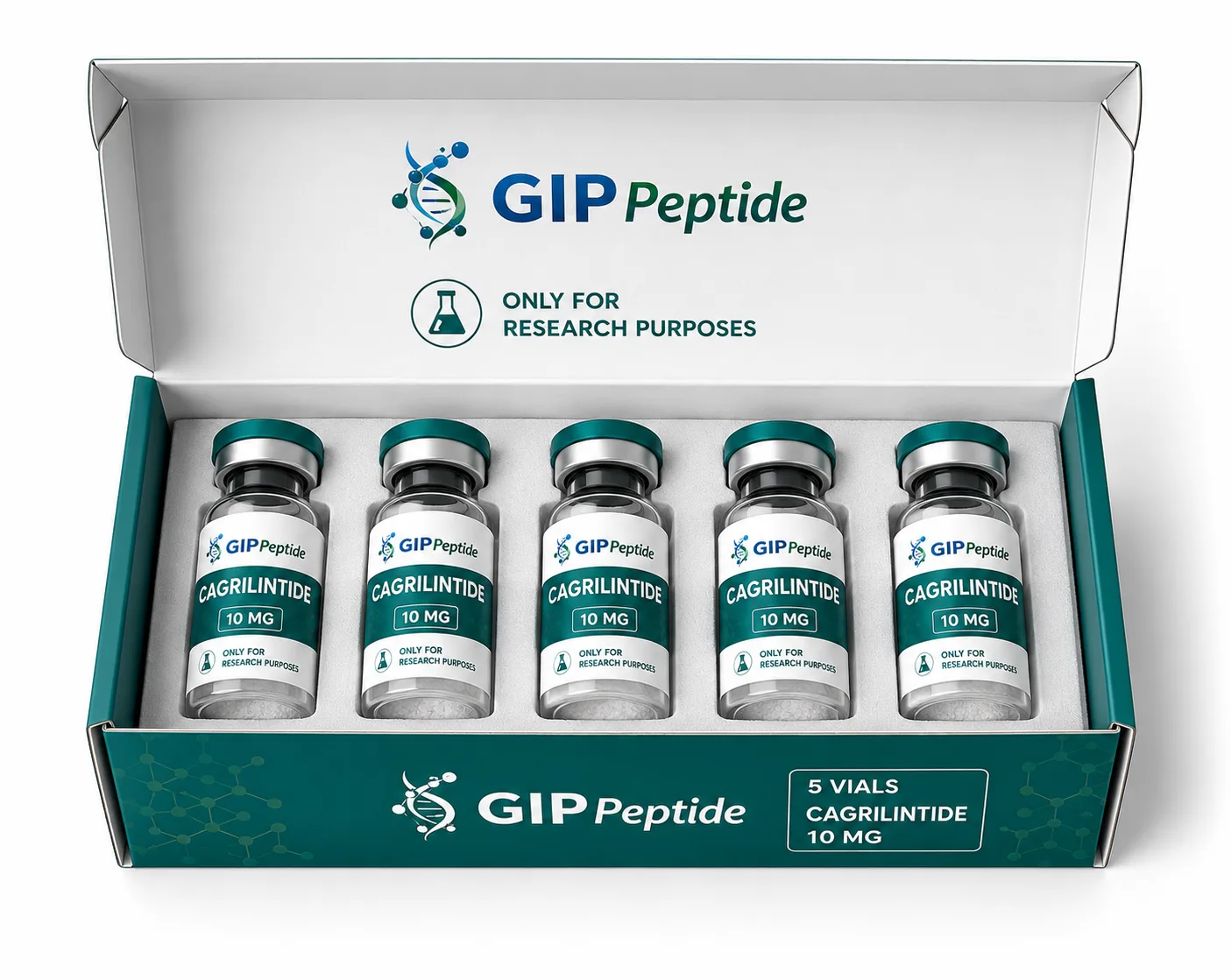
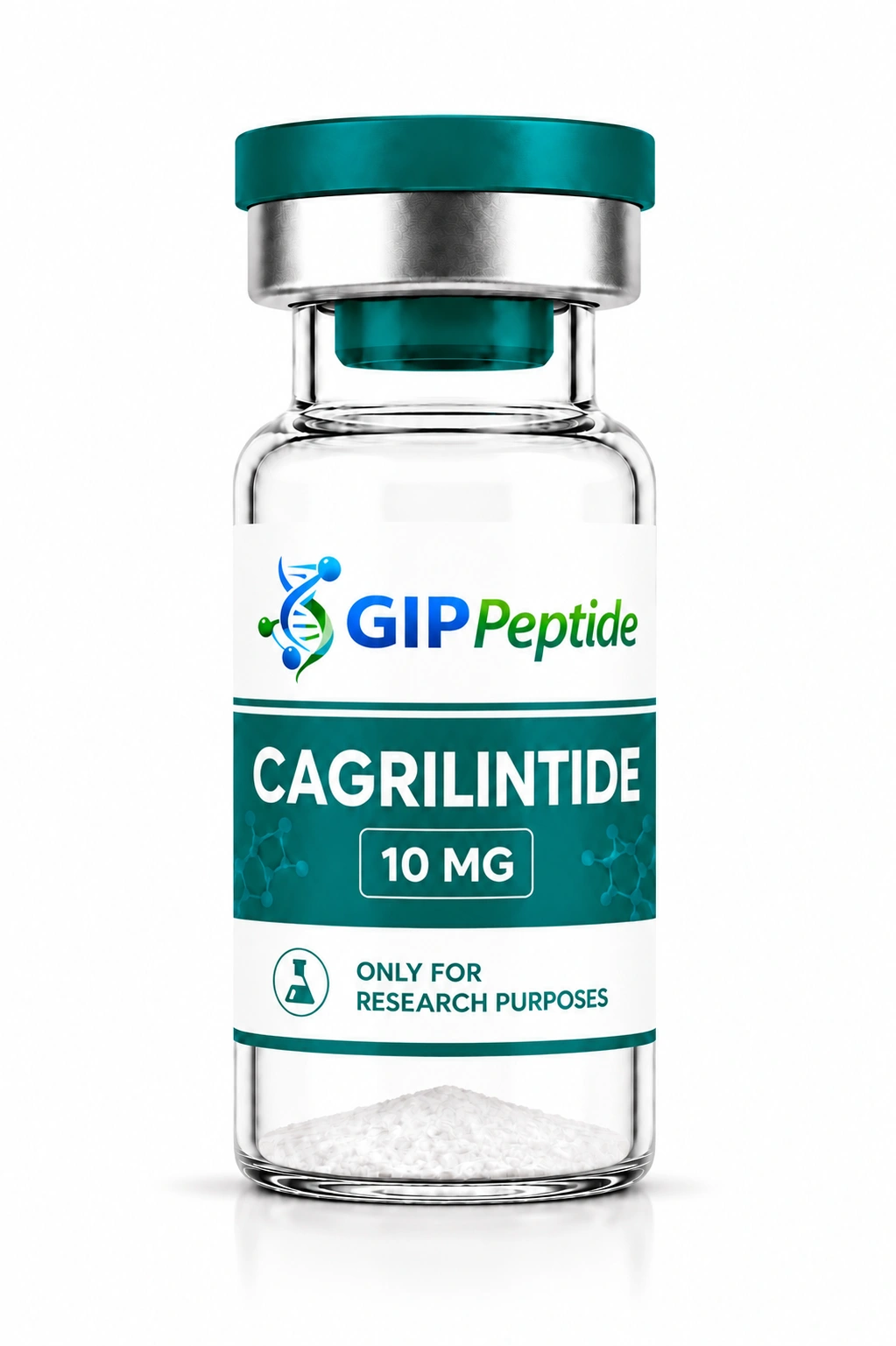
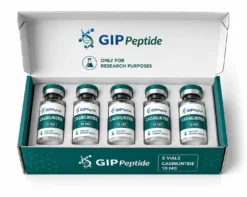
A 37-amino acid long-acting acylated amylin analog that activates amylin and calcitonin receptors to modulate appetite signaling in homeostatic and hedonic brain regions, studied in clinical trials for weight management. Premium Research Peptide
$65.00


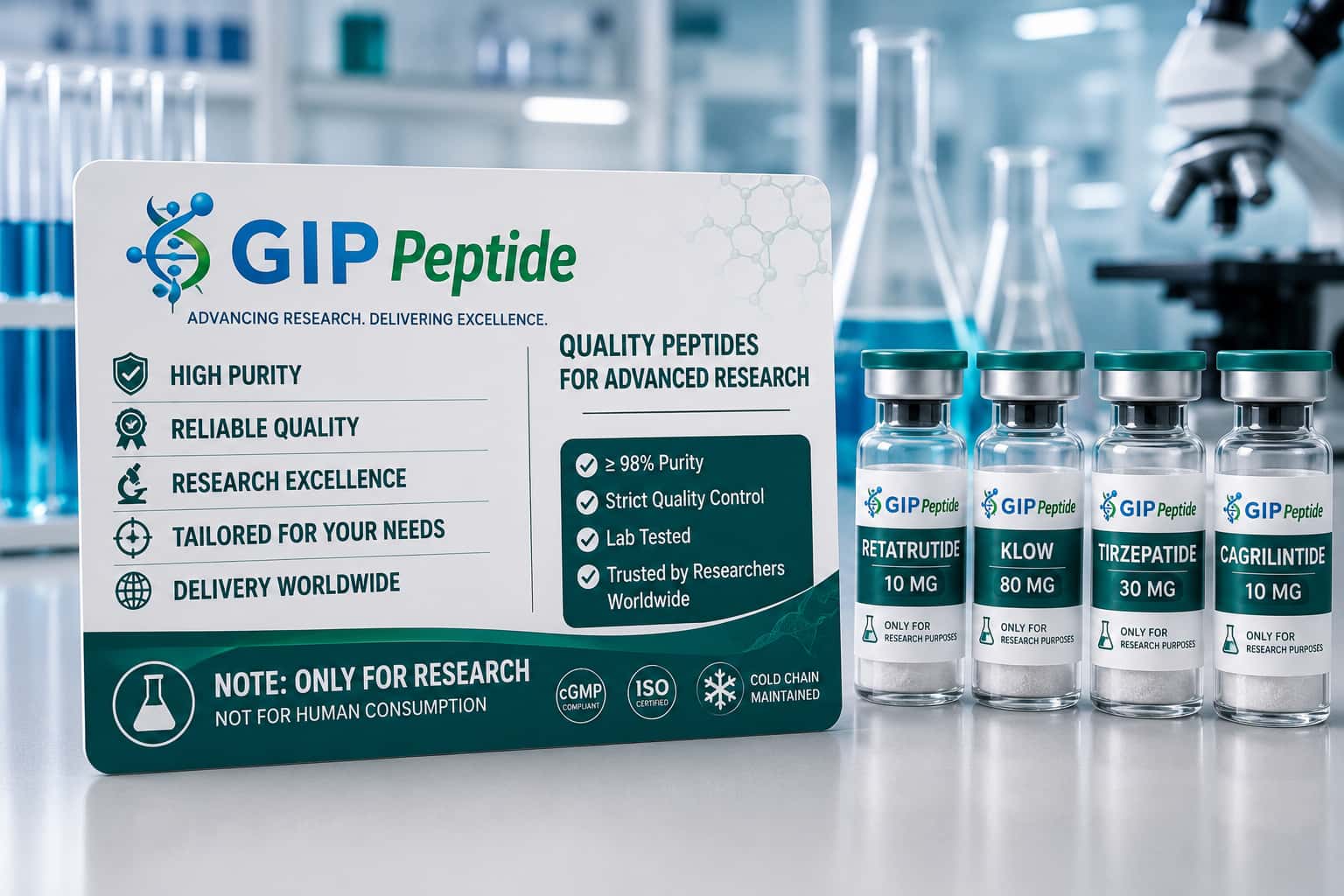
In non-clinical metabolic and obesity research models, amylin analog science represents an important shift in combination therapies. The 10 mg cagrilintide peptide vial provides a stable, high-purity research format designed for precise laboratory investigations into satiety signaling and metabolic regulation.
As a long-acting, acylated amylin receptor agonist, cagrilintide operates through biological mechanisms distinct from traditional incretin mimetics, making it a critical focus for comparative and dual-pathway studies.
| Attribute | Specification Details |
| Form | Lyophilized (freeze-dried) powder |
| Vial Capacity | 10mg total mass |
| Molecular Class | Long-acting amylin receptor agonist |
| Purity Standard | High purity benchmark (\ge 98\%) |
| Physical State | Uniform, white lyophilized cake |
In scientific literature, research involving 10 mg cagrilintide focuses on its role as a selective agonist for calcitonin and amylin receptors. By mimicking endogenous amylin, it regulates central nervous system pathways governing appetite, slows gastric emptying, and decreases food intake independently of GLP-1 signaling pathways.
A major area of study involves evaluating cagrilintide alongside established GLP-1 and dual GIP/GLP-1 receptor agonists.
The 10mg vial size allows research teams to manage consistent concentration ratios across extended trial arms. Utilizing standardized single-vial batches minimizes lot-to-lot variance during longitudinal metabolic assays.
Compliance Notice: Cagrilintide is designated strictly for laboratory research, in vitro testing, and non-clinical scientific evaluation. It is not approved for human consumption, medical treatment, or clinical diagnostics.
Peptide molecules consist of fragile amino acid sequences connected by peptide bonds. Physical shock, rapid temperature shifts, or mechanical agitation can disrupt these bonds, causing protein denaturation and a loss of biological activity. Handle all vials with care.
To reconstitute 10 mg cagrilintide accurately, follow this controlled laboratory method:
Side Effects & Safety Observations
Data drawn from preclinical and clinical research literature highlight a safety profile primarily centered around gastrointestinal response:
Research models involving amylin receptor agonists should exclude subjects or samples exhibiting:
Combining cagrilintide with other agents that delay gastric emptying may compound gastrointestinal transit times. When evaluated in combination with exogenous insulin or insulin secretagogues, glucose levels must be monitored to prevent hypoglycemia.
COA & Testing Integrity
To maintain research validity and batch consistency, every lot of cagrilintide 10mg must be verified by an independent, third-party laboratory. A compliant COA includes:
Prior to introducing a new reconstituted batch into an active experiment, verify these physical parameters:
Anti-Aging & Longevity

All GIP PEPTIDE
A 37-amino acid long-acting acylated amylin analog that activates amylin and calcitonin receptors to modulate appetite signaling in homeostatic and hedonic brain regions, studied in clinical trials for weight management. Premium Research Peptide



Reviews
There are no reviews yet.