Custom Peptides
Gip Peptide has years of expertise

Quotes for larger research product orders
Custom Peptides
Gip Peptide has years of expertise
$60.00


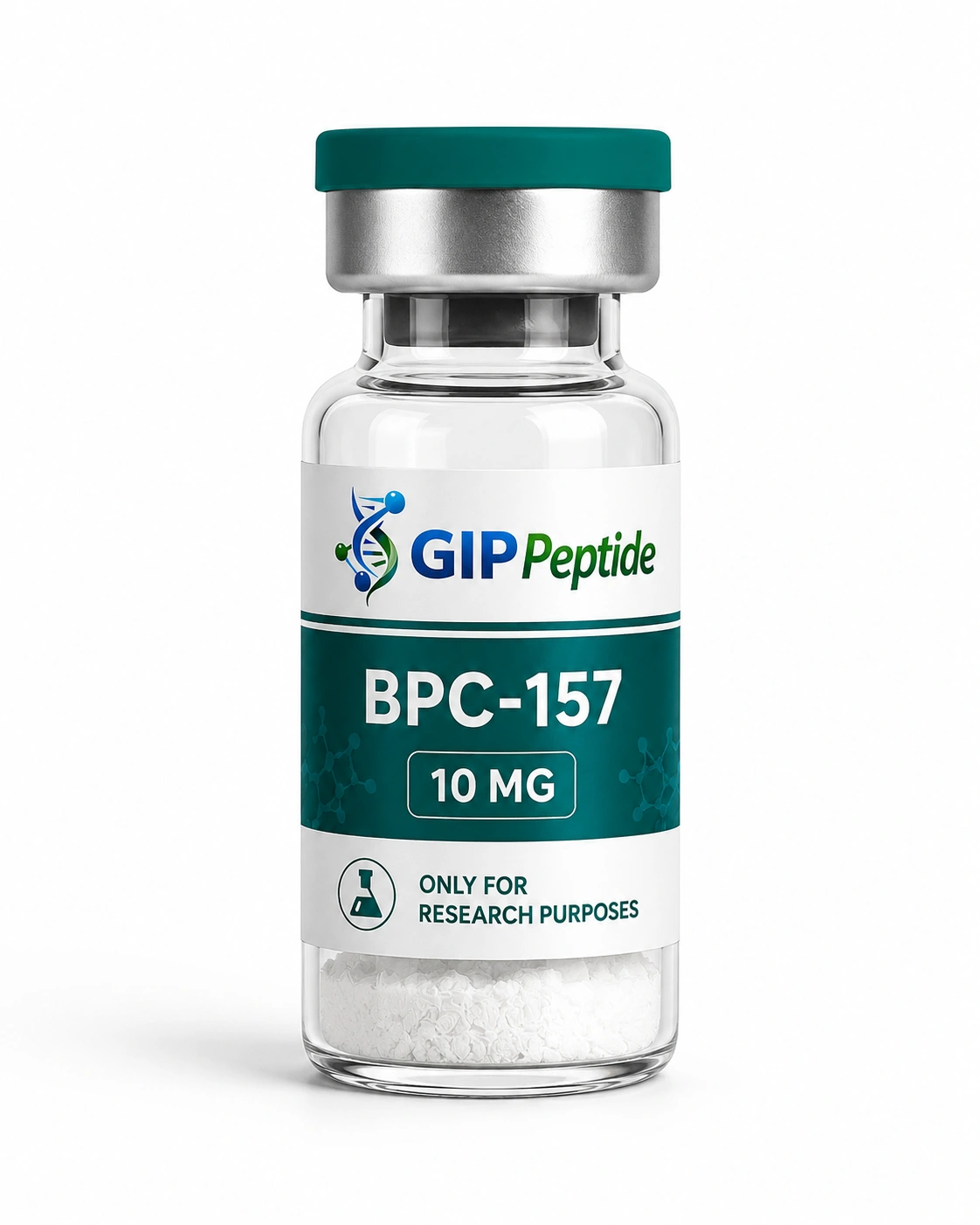
BPC-157 peptide vial 10mg is supplied as a lyophilized peptide intended for laboratory and scientific research applications. This page provides technical product information, handling guidance, quality documentation, and an overview of published research. This material is offered strictly for research purposes and is not intended for human or veterinary use.
The BPC-157 peptide vial 10mg contains 10 milligrams of lyophilized peptide packaged in a sealed research vial. Lyophilization helps improve stability during storage and transportation until the product is prepared for laboratory use according to established research procedures.
Researchers continue to investigate BPC-157 in experimental settings related to tissue biology, cellular signaling, and regenerative mechanisms. Current knowledge comes primarily from preclinical studies, and additional research is needed to better understand its properties.
| Specification | Details |
| Product | BPC-157 Peptide |
| Quantity | 10 mg |
| Form | Lyophilized powder |
| Grade | Research Use |
| Packaging | Sterile glass vial |
| Intended Use | Laboratory research only |
BPC-157 has attracted interest in scientific research because of its potential involvement in cellular repair processes and biological signaling pathways. Experimental investigations have explored its activity in laboratory models involving connective tissue, gastrointestinal tissue, and vascular function.
Although promising findings have been reported in preclinical research, there are currently no approved therapeutic indications for BPC-157 in many jurisdictions. Further well-designed clinical research is required to establish its safety and effectiveness.
Published research has examined topics including:
These publications contribute to scientific understanding but should not be interpreted as evidence of established clinical benefit.
Most available evidence originates from laboratory experiments and animal studies. Human clinical evidence remains limited, making additional research essential before clinical conclusions can be drawn.
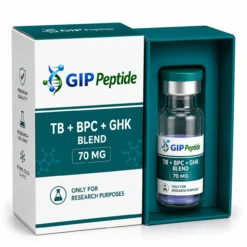
Within laboratory research settings, investigators sometimes study BPC-157 alongside other research peptides, including combinations referenced as BPC-157 TB-500 10mg blend. These products represent separate research materials with distinct characteristics and should be evaluated independently according to individual study objectives.
BPC-157 should be handled using appropriate laboratory procedures designed to maintain sample integrity and reduce the risk of contamination.
General laboratory practices include:
This page does not provide reconstitution or administration instructions.
Proper storage helps preserve peptide stability.
General recommendations include:
Storage requirements may vary depending on research procedures and product documentation.
BPC-157 peptide vial 10mg is supplied exclusively for laboratory research purposes.
It is not approved as a medicine and is not intended for diagnosing, treating, curing, or preventing any disease. Researchers are responsible for complying with all applicable regulations governing the purchase, handling, storage, and use of research materials.
Quality assurance is an important part of peptide research materials.
Each production batch may be accompanied by a Certificate of Analysis (COA) documenting quality testing performed during manufacturing.
Quality documentation may include evaluation of:
Researchers should review the available documentation before incorporating any material into laboratory studies.
Because BPC-157 remains an investigational research peptide, its complete safety profile has not been established.
Laboratory personnel should follow appropriate research safety procedures, wear suitable protective equipment, and handle peptide materials in accordance with institutional guidelines.
No clinically established contraindications have been determined for investigational laboratory use. Researchers should evaluate study protocols carefully and comply with all applicable safety standards.
Potential interactions involving BPC-157 have not been fully characterized. Existing research is limited, and further investigation is needed to better understand interactions with other experimental compounds.
Anti-Aging & Longevity

All GIP PEPTIDE



Reviews
There are no reviews yet.