Custom Peptides
Gip Peptide has years of expertise

Quotes for larger research product orders
Custom Peptides
Gip Peptide has years of expertise
$130.00

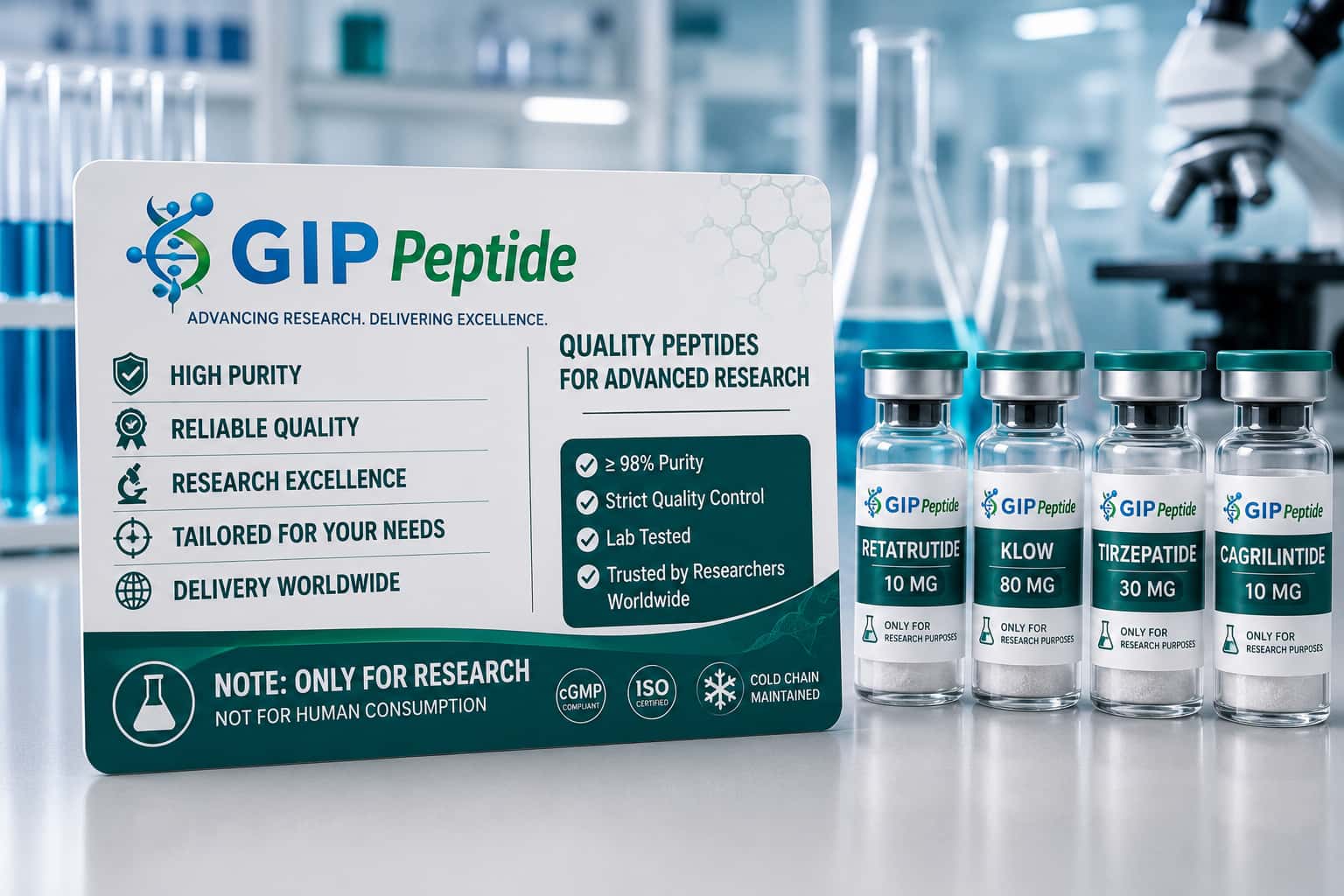
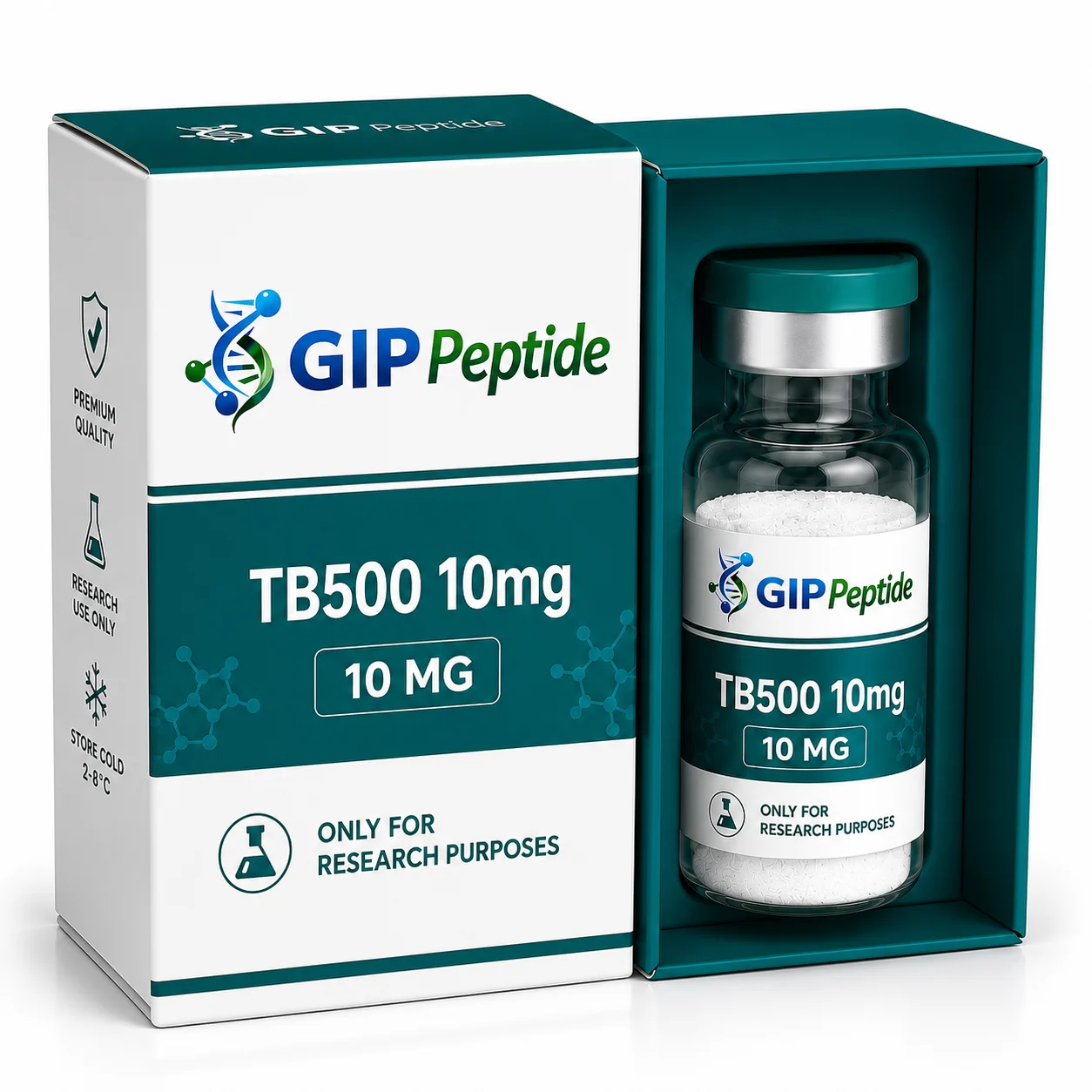
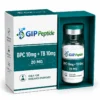
The BPC157 + TB500 Blend 10mg is a lyophilized peptide preparation developed for laboratory and scientific research. This blend combines two well-known research peptides that are frequently investigated together in preclinical studies involving tissue biology, cellular repair mechanisms, and recovery pathways.
This product is supplied as a sterile lyophilized powder and is intended strictly for research use only. It is not intended for human or veterinary use.
The BPC157 + TB500 Blend 10mg offers researchers a convenient combination of two peptides commonly examined in regenerative biology and tissue research.
Researchers frequently study this blend because each peptide has been investigated for different biological pathways. Combining them allows scientists to explore potential complementary effects under controlled laboratory conditions.
Brand: GIP Peptide
Product Name: BPC157 + TB500 Blend 10mg
Peptide Blend:
Total Peptide Content: 10mg
Appearance: White to off-white lyophilized powder
Container: Sterile glass research vial
Intended Use: Laboratory and scientific research only
Storage Before Reconstitution: Refrigerated at 2–8°C
Depending on research objectives, this peptide blend is commonly studied alongside:
These combinations are selected according to individual laboratory protocols and published research objectives.
The BPC157 + TB500 Blend 10mg has been examined in experimental research involving:
Current evidence is primarily derived from laboratory and animal research. Additional studies are needed to better understand these biological mechanisms.
Published research involving BPC157 and TB500 has explored several scientific areas, including:
These publications contribute to the growing understanding of peptide biology but should not be interpreted as evidence of clinical benefit.
Researchers typically evaluate this peptide blend using standardized laboratory protocols that include:
Maintaining consistent laboratory practices helps improve reproducibility across research projects.
The BPC157 TB500 5mg reconstitution process should always follow established laboratory procedures.
Researchers commonly use bacteriostatic water when preparing lyophilized peptides for laboratory experiments.
General preparation guidance includes:
The amount of diluent selected depends on the concentration required for the specific research protocol.
Proper preparation helps preserve peptide integrity.
Recommended laboratory practices include:
For laboratory consistency:
Before Reconstitution
Store the unopened vial at 2°C to 8°C in a refrigerator.
After Reconstitution
Store the prepared solution refrigerated according to your laboratory protocol.
Avoid prolonged exposure to heat, light, or repeated temperature changes, as these may affect peptide stability.
This product is intended exclusively for laboratory research.
No dosing recommendations are provided because BPC157 + TB500 Blend 10mg is not approved for human or veterinary use. Researchers should establish experimental concentrations and protocols based on their study design and applicable institutional guidelines.
No established safety profile exists for human use because this product is supplied solely for laboratory research.
Experimental findings reported in published studies should be interpreted within the context of the specific research model and should not be generalized to people.
Researchers should:
This peptide blend has not been approved for therapeutic or diagnostic use.
It should not be used outside controlled laboratory research environments.
Published research examining interactions between BPC157 and TB500 remains limited.
Researchers should carefully document any observed interactions when this peptide blend is studied alongside other research compounds.
Every production batch should undergo quality verification before release.
Testing may include:
Researchers should review the Certificate of Analysis (COA) for the specific batch before beginning laboratory work.
The BPC157 + TB500 Blend 10mg is supplied strictly for laboratory research purposes.
This product is not intended for human consumption, medical treatment, veterinary use, diagnosis, or the prevention of disease. Researchers are responsible for ensuring that all work complies with applicable regulations, institutional policies, and ethical standards.
Anti-Aging & Longevity

All GIP PEPTIDE



Reviews
There are no reviews yet.