Custom Peptides
Gip Peptide has years of expertise
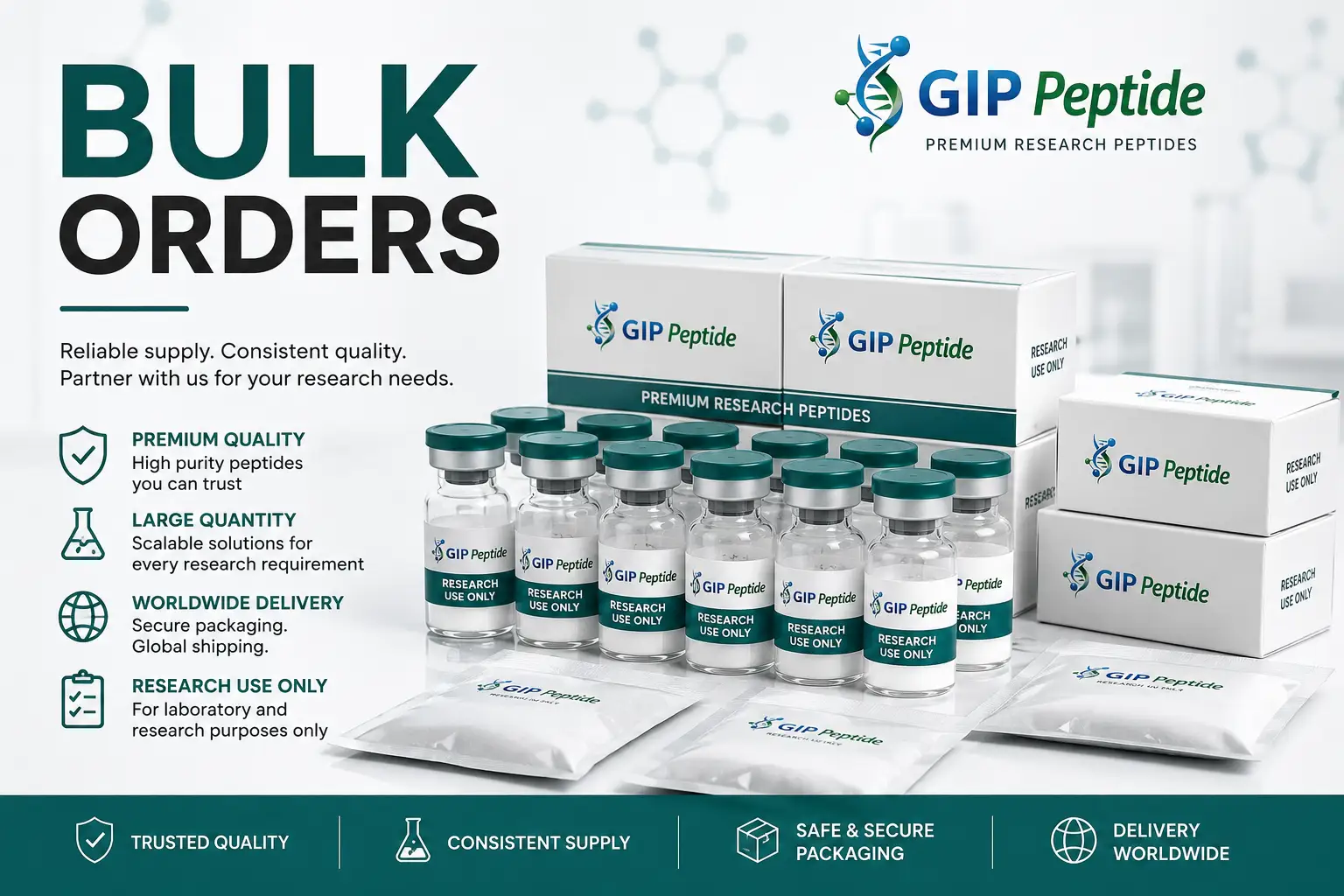
Quotes for larger research product orders
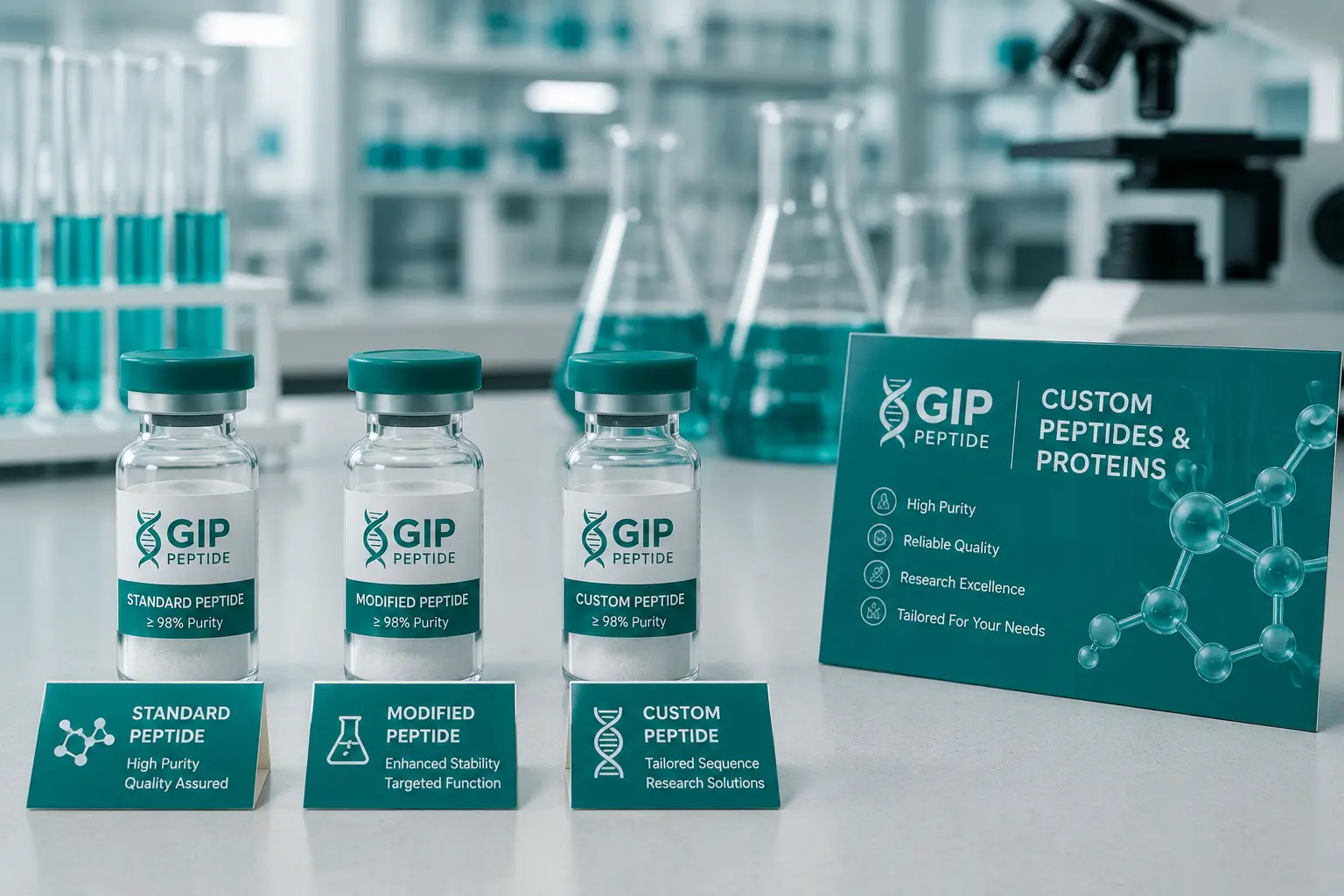
Custom Peptides
Gip Peptide has years of expertise
$66.00

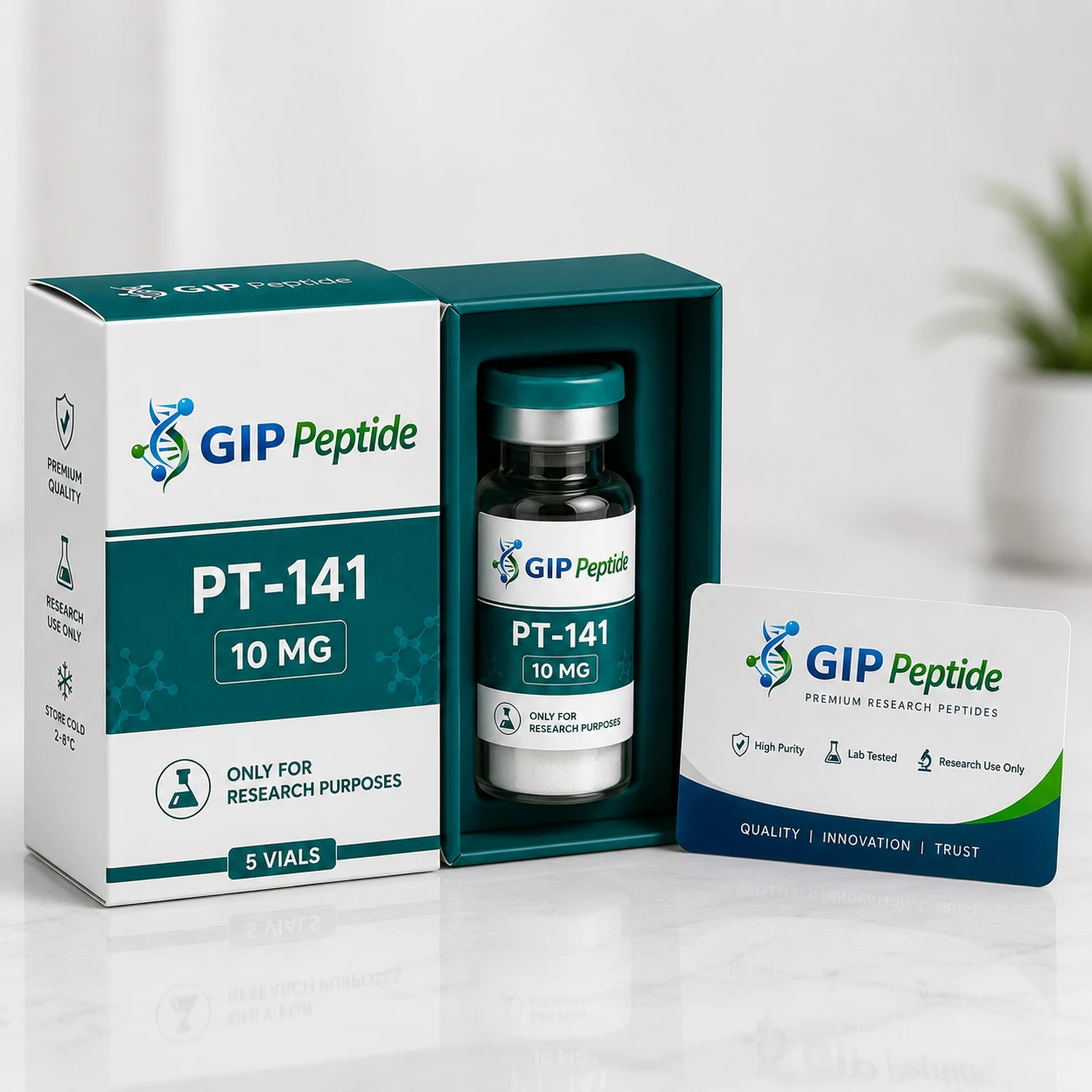
PT-141 10mg peptide is a research-grade peptide supplied as a lyophilized powder for laboratory investigation. Also known as Bremelanotide in scientific literature, PT-141 has been studied for its interaction with melanocortin receptors and its role in neuroendocrine signaling. Before laboratory use, the peptide requires proper reconstitution using appropriate scientific procedures.
This page provides technical information about PT-141 10mg peptide, including preparation, storage, research applications, quality testing, and handling practices. The information is intended solely for laboratory research and educational purposes.
PT-141 is a synthetic peptide investigated in scientific research involving melanocortin receptor activity, neurobiology, and peptide signaling. Researchers continue to study its biological properties through laboratory and preclinical models to better understand its mechanisms of action.
| Specification | Details |
| Product | PT-141 10mg |
| Quantity | 10mg per vial |
| Form | Lyophilized powder |
| Appearance | White to off-white powder |
| Container | Sterile glass vial |
| Storage | Refrigerated according to laboratory guidelines |
| Intended Use | Research purposes only |
Proper PT-141 10mg reconstitution helps prepare the peptide for laboratory studies while supporting solution stability.
General laboratory procedures typically include:
The amount of diluent selected depends on the concentration required for the specific research protocol.
Preparation should be completed using sterile laboratory techniques.
Recommended practices include:
Before Reconstitution
After Reconstitution
There is no universally accepted dosing protocol for PT-141 because laboratory study designs vary according to research objectives.
Researchers typically establish protocols based on:
Experimental procedures should always follow approved laboratory standards.
Information relating to PT-141 10mg dosage should be interpreted within the context of laboratory research rather than clinical use.
Research protocols generally define:
Researchers should document all protocol variables to support consistency and reproducibility.
PT-141 has been investigated in several areas of peptide science and neurobiology.
Research topics include:
Most available evidence comes from laboratory and preclinical investigations.
Current scientific investigations continue to explore the biological activity of PT-141 across different research models.
Areas of interest include:
Additional studies continue to improve understanding of its biological characteristics.
Published literature commonly examines:
Researchers should consult peer-reviewed scientific publications when planning laboratory investigations.
Reliable research commonly includes:
These practices improve data quality and study reproducibility.
Depending on research objectives, PT-141 may be investigated alongside other laboratory peptides such as:
Combination studies should always follow approved laboratory procedures.
Every production batch should undergo analytical testing before release for laboratory research.
A Certificate of Analysis (COA) documents important quality characteristics, including product identity and analytical testing results.
Quality control procedures commonly include:
These evaluations help confirm consistency across manufacturing batches.
Published information regarding PT-141 primarily comes from laboratory investigations and clinical research.
Reported observations vary depending on the study design, research model, and method of administration.
Current findings should be interpreted within the context of scientific research.
Researchers should:
PT-141 10mg is supplied exclusively for laboratory research.
It is not intended:
Researchers are responsible for complying with applicable laboratory standards and regulatory requirements.
Scientific literature describing interactions between PT-141 and other research compounds remains limited.
Researchers conducting combination studies should evaluate experimental variables carefully and document all observations throughout the investigation.
General laboratory handling recommendations include:
PT-141 10mg peptide is supplied exclusively for laboratory research purposes.
This product is not approved as a medicine, dietary supplement, food, or cosmetic. It is not intended to diagnose, treat, cure, or prevent any disease. Researchers are responsible for ensuring compliance with all applicable laws, regulations, and institutional policies governing the purchase, handling, storage, and use of research materials.
Anti-Aging & Longevity

All GIP PEPTIDE



Reviews
There are no reviews yet.