Custom Peptides
Gip Peptide has years of expertise

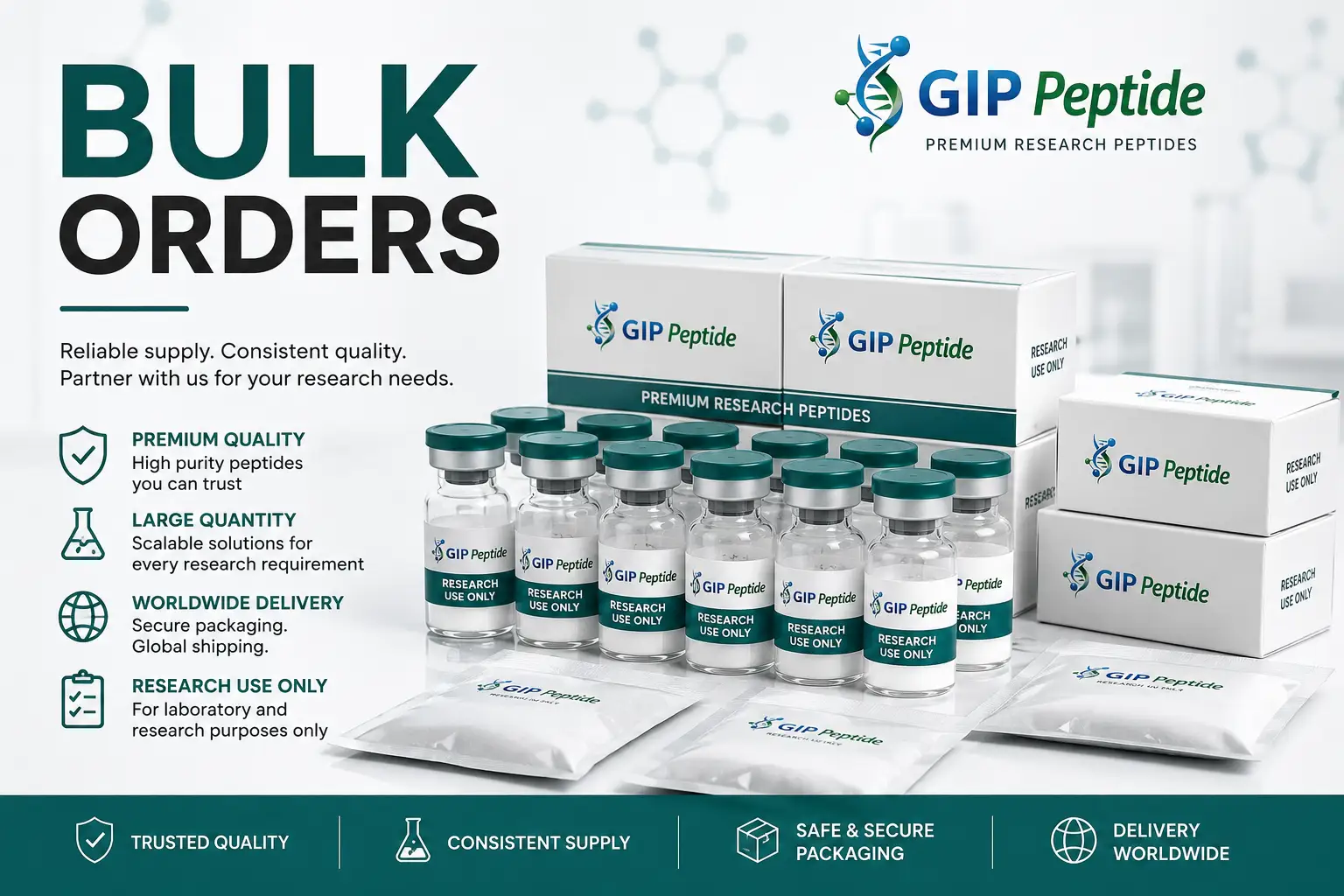
Quotes for larger research product orders
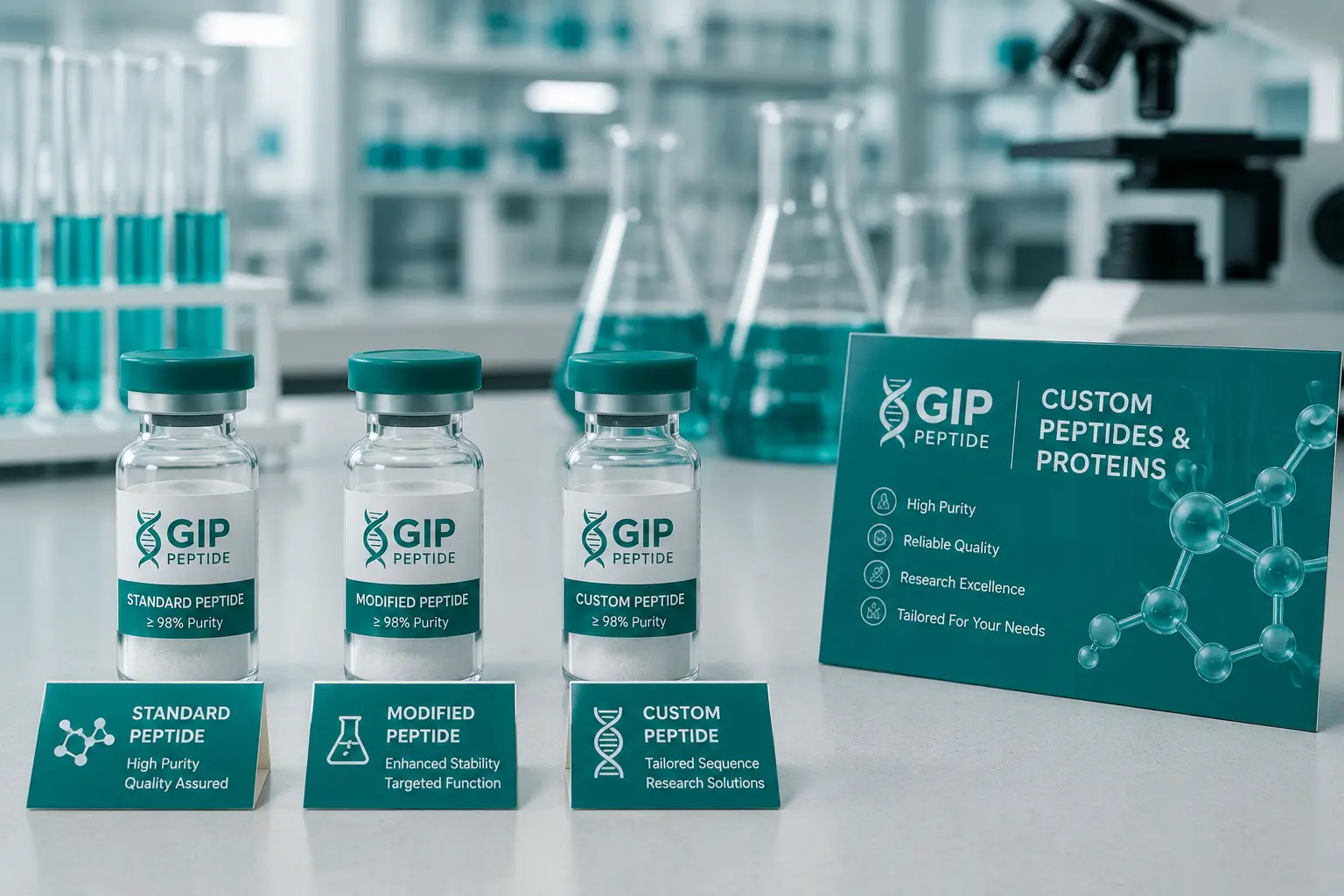
Custom Peptides
Gip Peptide has years of expertise
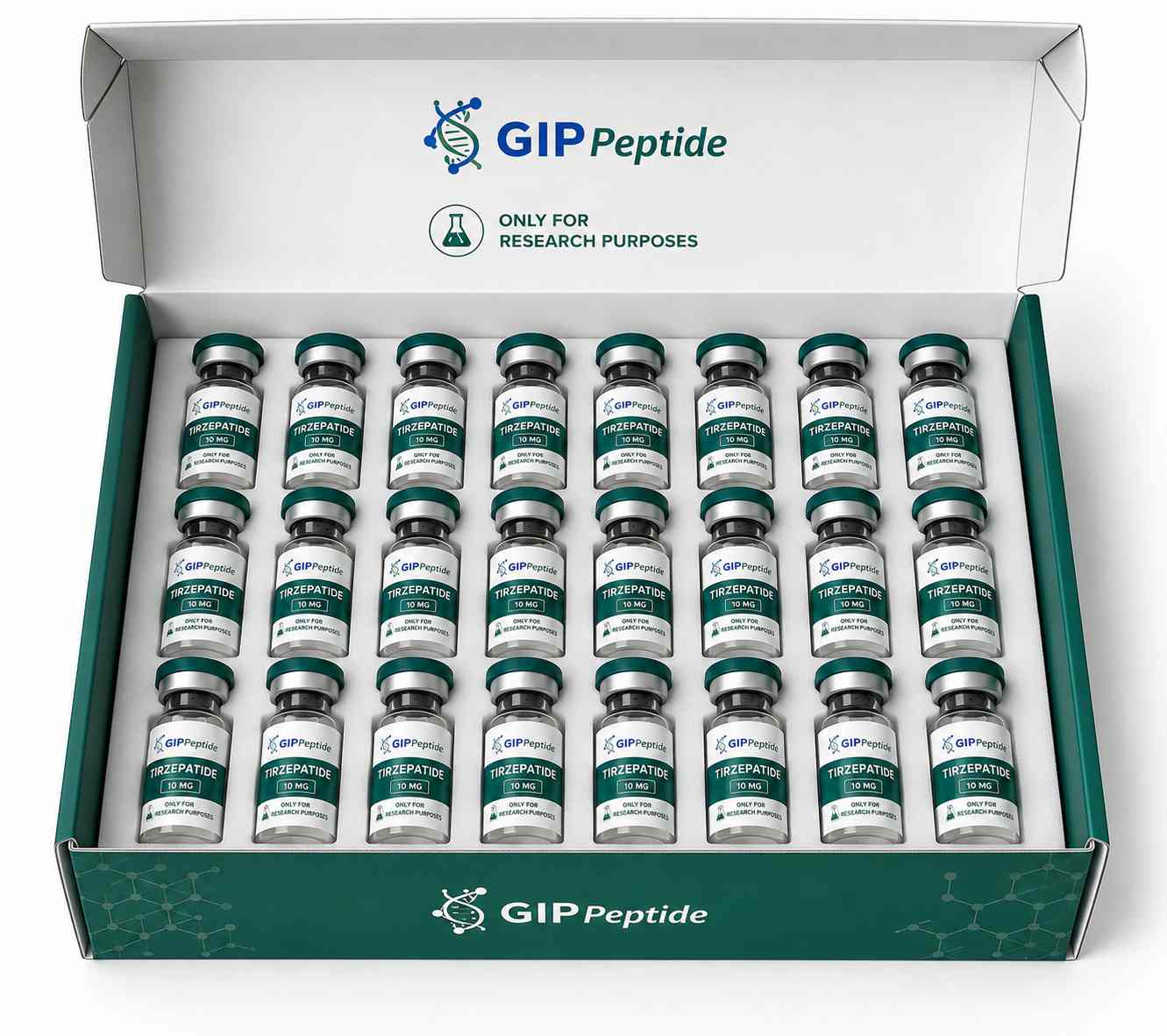
$66.00


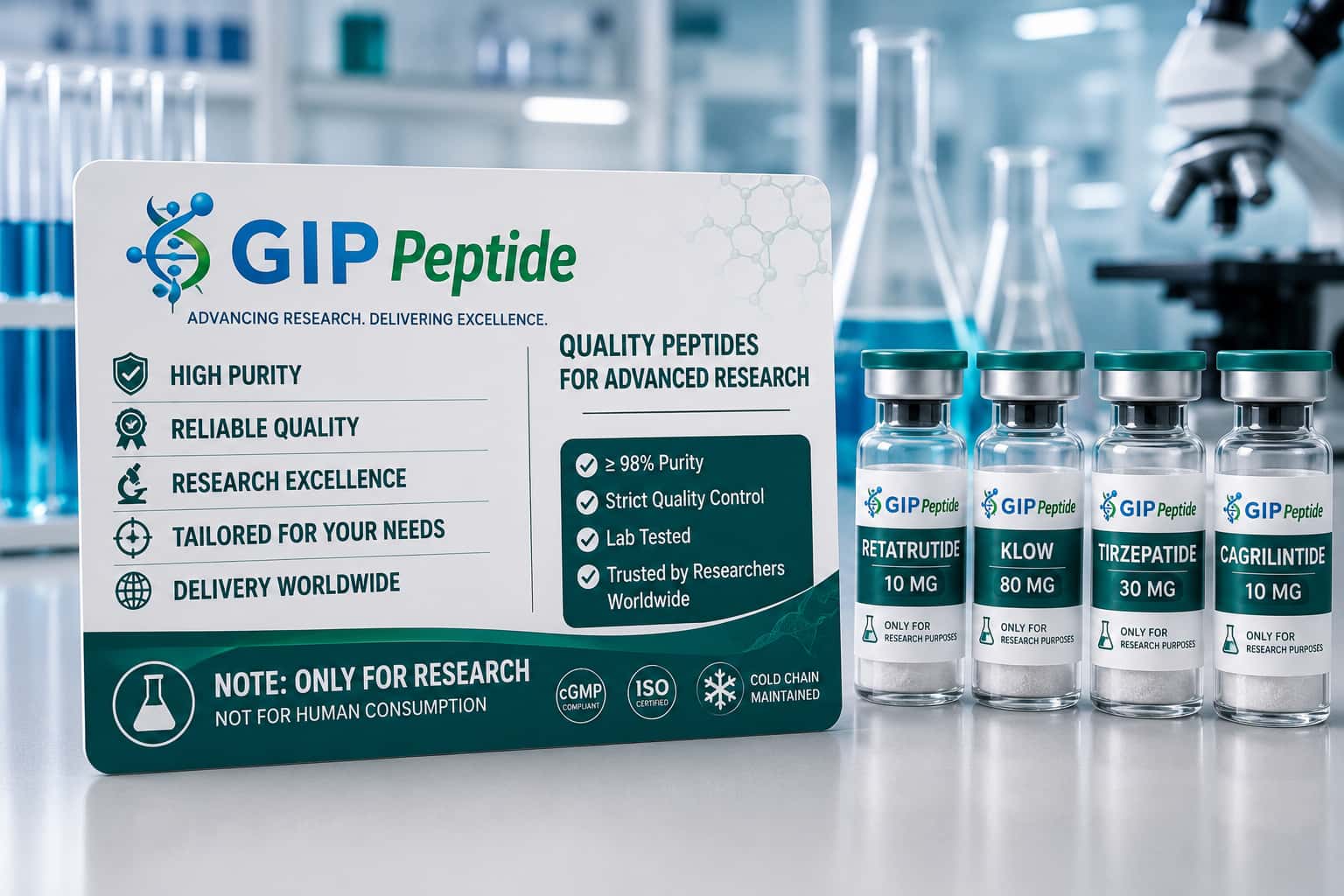
In metabolic and endocrine research, understanding the structural handling and precise preparation of premium compounds is critical to achieving reproducible laboratory results.
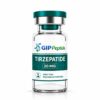
The tirzepatide 10mg vial is a highly stable, lyophilized format engineered for rigorous in vitro and animal model evaluations. As a dual glucose-dependent insulinotropic polypeptide (GIP) and glucagon-like peptide-1 (GLP-1) receptor agonist, this compound requires exact laboratory math during preparation to ensure precision across all experimental phases.
| Attribute | Specification Details |
| Form | Lyophilized (freeze-dried) powder |
| Vial Capacity | 10mg |
| Purity Level | Highly refined (\ge 98\% purity standard) |
| Target Pathways | Dual GIP and GLP-1 receptor pathways |
| Physical Appearance | Uniform, solid white cake |
A frequent technical question during laboratory setup is: 10mg of tirzepatide is how many units?
There is no fixed answer to this question because units measure the volume of liquid, not the mass of the peptide. The final volume depends entirely on the amount of diluent introduced during the tirzepatide 10mg reconstitution process.
For standard U-100 syringes, 100 units equal exactly 1 milliliter (mL) of liquid. By varying the amount of bacteriostatic water added to the vial, the concentration per unit shifts accordingly.
| Bacteriostatic Water Added | Concentration per mL | 10 Units Equals |
| 1 mL (100 Units) | 10 mg / mL | 1 mg of Tirzepatide |
| 2 mL (200 Units) | 5 mg / mL | 0.5 mg of Tirzepatide |
Peptides are fragile molecular structures consisting of delicate amino acid sequences. Mishandling, shaking, or rapid temperature variations can cause structural degradation. Following a systematic protocol protects the integrity of the compound.
Researchers look for distinct structural benchmarks when analyzing high-grade research materials, such as those associated with established standards like peptide sciences tirzepatide 10mg.
Independent validation remains the gold standard for verifying laboratory inputs.
Maintaining strict environmental controls preserves the biological activity of the compound over its shelf life.
| SELECT MG | 10 MG, 20 MG, 30 MG |
|---|
Anti-Aging & Longevity

All GIP PEPTIDE



Reviews
There are no reviews yet.